
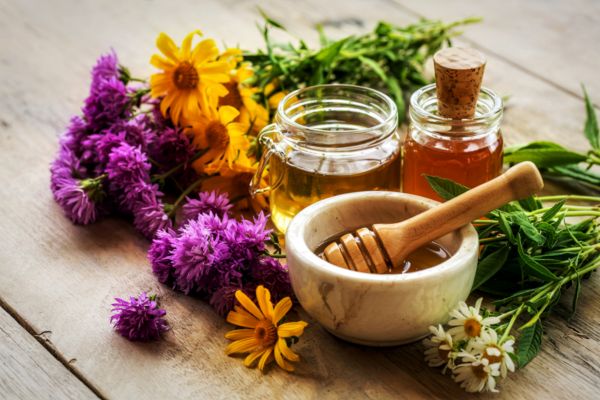
If you’ve ever dealt with that tight, uncomfortable feeling in your stomach after a big meal, you’re not alone. Indigestion hits almost everyone at some point, and let’s be real, it can ruin an otherwise perfect day. The good news? You don’t always need fancy medicines or expensive treatments. Sometimes the best solutions are sitting right in your kitchen. That’s where home remedies for indigestion come in — simple, natural, and honestly pretty effective when you know how to use them.
Understanding Indigestion and Why It Happens
Before diving into the actual home remedies for indigestion, it helps to understand what’s really going on in your body. Indigestion isn’t exactly a disease — it’s more like a collection of annoying symptoms. You might feel bloated, full too quickly, or just uncomfortably heavy in the stomach. Sometimes there’s a little burning sensation, sometimes pressure, sometimes nausea. And yes, all of it is frustrating.
The thing is, indigestion usually starts when your digestive process slows down or becomes irritated. Eating too fast, overeating, consuming greasy foods, or even stress can be the culprit. And you know how life gets — busy days, quick meals, odd snacking habits — it all plays a role. The good news? Once you understand the triggers, it becomes easier to deal with the symptoms naturally.
Warm Water: The Underrated Digestive Helper
Let’s start simple. Drinking warm water sounds almost too easy, but it’s one of the most overlooked home remedies for indigestion. Warm water helps relax and activate your digestive tract. It gently encourages movement in the intestines, making it easier for the food in your stomach to break down the way it’s supposed to.
Sipping slowly works best. You don’t have to chug it; just take your time. It’s a small habit that can create a surprisingly big shift in how your stomach feels after meals.
Ginger Tea for Soothing Relief
Ginger is that one ingredient your grandma probably swore by — and she was right. Ginger has natural anti-inflammatory and carminative properties, meaning it can ease gas, bloating, and irritation. If you feel that tight, swollen discomfort, a warm cup of ginger tea might be exactly what you need.
To use ginger as one of your go-to home remedies for indigestion, slice a few fresh pieces, simmer them in water, and sip your tea while it’s still warm. The warmth calms your stomach while the ginger works on reducing pressure and gas. It’s simple but surprisingly comforting.
Peppermint: Cooling the Digestive Tract
Peppermint has this naturally cooling effect that relaxes the muscles around your digestive system. When those muscles relax, trapped gas gets released more easily and bloating starts to settle down. Whether you drink peppermint tea or suck on natural peppermint candies, it can help ease discomfort from indigestion.
Just a quick heads-up: if you have acid reflux, peppermint might not be the best choice because it can relax the valve between your stomach and esophagus. But for many others dealing with indigestion, it’s a go-to remedy that genuinely works.
Apple Cider Vinegar to Boost Digestion
This one might sound odd — drinking something acidic to calm your stomach — but stick with me. Apple cider vinegar can actually help balance stomach acid levels. Sometimes indigestion happens not because of too much acid, but too little. When you take a small amount of apple cider vinegar mixed with warm water, it gives your stomach a gentle boost so it can digest food more effectively.
It’s one of those home remedies for indigestion that people either love or hate, but if you’re open to trying it, you might be surprised at how quickly it works.
Fennel Seeds for Quick Gas Relief
If you’ve ever eaten at an Indian restaurant and seen those colorful fennel seeds on the counter, there’s a reason they’re there. Fennel seeds help your digestive system relax and reduce bloating. They also ease stomach cramps caused by indigestion.
You can chew on half a teaspoon of fennel seeds after meals or boil them in water to make a light fennel tea. It has a subtle sweetness and works like a charm for many people.
Baking Soda Water for Neutralizing Stomach Acid
Sometimes the indigestion you’re feeling is because your stomach acid levels are a bit out of balance. Baking soda, being alkaline, can neutralize excess acid quickly. Mix a small amount in warm water and drink it slowly.
It’s not something you should rely on every day, but when you need fast relief, it works. Think of it as an emergency backup option in your list of home remedies for indigestion.
Chamomile Tea to Ease Stress and Digestion
Chamomile isn’t just a bedtime tea. It can actually calm the stomach, reduce inflammation, and even ease stress — which, let’s be honest, often contributes to indigestion without us realizing it. A warm cup of chamomile tea can help your whole system relax, including your digestive tract.
If your indigestion tends to show up on stressful days, chamomile might be exactly what your body needs.
Lemon Water to Lighten the Stomach
Lemon water is refreshing, light, and easy for the stomach to manage. The acidity of lemon juice may stimulate digestion and help break down food more efficiently. Many people find that starting their morning with warm lemon water keeps indigestion away throughout the day.
It’s an easy, everyday option if you want to prevent the discomfort before it even begins.
A Short Walk After Meals
This one isn’t exactly a kitchen remedy, but it’s still one of the most effective natural options. A short, gentle walk helps stimulate digestion naturally. The movement encourages food to travel through your digestive tract smoothly, reducing the chances of bloating and discomfort.
Walking also helps reduce stress, which is a bonus when you’re trying to avoid indigestion altogether.
Adjusting Eating Habits for Long-Term Relief
While home remedies for indigestion are wonderful, it’s also important to look at your eating habits. Eating smaller meals, chewing food slowly, and avoiding heavy, greasy dishes can make a noticeable difference. Sometimes the root of indigestion has more to do with how you eat than what you eat.
Paying attention to your body’s signals helps too. If a certain food consistently triggers discomfort, it might be worth cutting back or replacing it with something gentler.
Final Thoughts
Indigestion isn’t fun, but the good thing is that you’re far from powerless. With the right habits and a handful of reliable home remedies for indigestion, you can ease discomfort naturally and feel lighter after meals. Whether it’s ginger tea, warm water, or simply slowing down during meals, small changes can add up to big relief.
At the end of the day, your body knows what it needs. When you start listening to those signals and treating your stomach with a little more care, indigestion becomes much easier to manage. And honestly, that’s a huge win in anyone’s daily routine.