
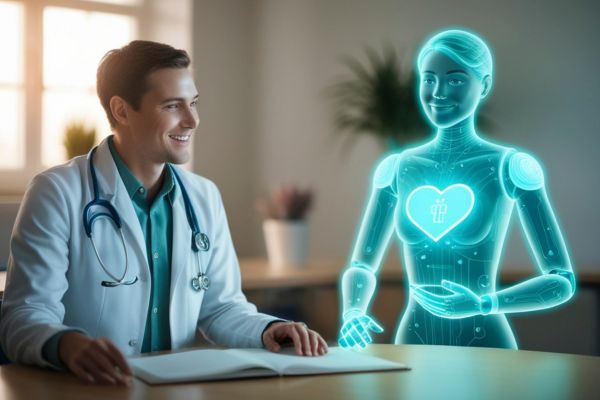
Telemedicine innovations are no longer some futuristic idea we talk about “one day.” They’re already here, quietly reshaping how we see doctors, manage chronic conditions, and even think about healthcare itself. And let’s be real for a second. Most of us never imagined that medical care could happen from a couch, a kitchen table, or even a parked car during a lunch break. Yet here we are.
What makes telemedicine innovations so powerful isn’t just the technology. It’s the way these tools fit into real life. Busy schedules. Long commutes. Limited access to specialists. All those barriers are slowly breaking down, and it’s happening faster than most people realize.
So let’s talk about what’s actually changing, why it matters, and where this whole remote healthcare movement seems to be heading.
How Telemedicine Innovations Changed Healthcare Practically Overnight
Before telemedicine went mainstream, remote care felt like a niche solution. Something reserved for rural areas or extreme situations. Then everything shifted. Suddenly, video calls with doctors became normal, even expected. What used to feel awkward or risky now feels convenient.
Telemedicine innovations stepped in when healthcare systems needed flexibility the most. Secure video platforms, digital patient portals, and real-time data sharing weren’t just nice extras anymore. They became essential tools.
But here’s the thing. Once people experienced the convenience, there was no going back. Patients realized they didn’t always need a waiting room. Doctors realized follow-ups could be faster and more focused. The healthcare experience itself started to feel more human, not less.
Smarter Virtual Visits That Feel Less “Virtual”
One of the biggest telemedicine innovations has been improving the quality of virtual visits. Early video appointments could feel stiff, glitchy, or rushed. Today, that’s changing fast.
Modern platforms now integrate patient history, lab results, and even AI-powered note-taking directly into the visit. Doctors spend less time typing and more time actually talking. Patients don’t have to repeat the same information over and over again, which honestly used to be exhausting.
And yes, it still happens through a screen. But the interaction feels more natural. Eye contact improves. Audio quality is better. Even subtle things like digital check-in processes make the experience smoother. You know what to expect, and that comfort matters.
Remote Monitoring Is Quietly Revolutionizing Chronic Care
If there’s one area where telemedicine innovations are truly game-changing, it’s remote patient monitoring. Especially for people managing long-term conditions.
Wearable devices and connected medical tools now track heart rate, blood glucose, blood pressure, and more. This data flows directly to healthcare providers in real time. Instead of waiting months between appointments, doctors can spot issues early and adjust treatment plans faster.
For patients, this means fewer hospital visits and less stress. For doctors, it means better insights without relying solely on patient memory. Let’s be honest, no one remembers every symptom perfectly.
The thing is, this constant stream of data turns healthcare into an ongoing conversation rather than a series of isolated visits. And that shift changes everything.
Artificial Intelligence Is Making Telemedicine More Personal
AI might sound cold or impersonal, but in telemedicine, it’s doing the opposite. Telemedicine innovations powered by artificial intelligence are making care more tailored, more predictive, and surprisingly more human.
AI-driven chat tools can handle simple questions, appointment scheduling, and symptom checks. This frees up doctors to focus on cases that actually need their expertise. Behind the scenes, machine learning models analyze patterns in patient data, helping identify risks earlier than traditional methods.
What’s interesting is how quietly this technology works. Patients don’t always realize AI is involved, but they feel the benefits. Faster responses. More accurate diagnoses. Better follow-up recommendations.
It’s not about replacing doctors. It’s about supporting them in ways that reduce burnout and improve care quality.
Mental Health Care Found Its Breakthrough Moment
Mental health services have benefited massively from telemedicine innovations. For many people, walking into a clinic was always the hardest step. Virtual care removed that barrier.
Online therapy platforms, secure messaging, and video sessions allow people to access support in familiar environments. That alone increases comfort and consistency. And consistency, as any therapist will tell you, is everything.
Telemedicine also expanded access to specialists. Patients no longer have to settle for whoever is nearby. They can connect with therapists who truly match their needs, regardless of location.
The stigma around mental health hasn’t disappeared, but telemedicine innovations have definitely softened it. When help is easier to reach, more people take that step.
Specialized Care Is No Longer Limited by Geography
One underrated impact of telemedicine innovations is how they connect patients with specialists who were once out of reach. Rare conditions, complex diagnoses, second opinions. These things used to require travel, time off work, and serious expense.
Now, a specialist consultation can happen online, sometimes within days. Medical imaging, lab results, and patient records are shared securely across platforms. Collaboration between providers happens faster and more efficiently.
For patients, this means better outcomes. For healthcare systems, it means resources are used more effectively. Everyone wins, honestly.
Telemedicine Innovations Are Reshaping Emergency and Urgent Care
Emergency care might seem like the last place telemedicine fits, but innovation says otherwise. Virtual triage systems now assess symptoms before patients even arrive at a facility.
Through telemedicine platforms, clinicians can determine whether someone needs immediate emergency care or if an urgent care or virtual visit will do. This reduces overcrowding and improves response times for critical cases.
In ambulances, remote specialists can guide paramedics in real time. In rural areas, this can be lifesaving. It’s one of those changes that doesn’t always make headlines, but it makes a real difference on the ground.
Security and Privacy Are Finally Catching Up
Let’s address the elephant in the room. Data privacy. Early telemedicine faced skepticism for good reason. Healthcare data is sensitive, and trust is non-negotiable.
Thankfully, telemedicine innovations have made serious progress here. End-to-end encryption, multi-factor authentication, and strict compliance standards are now the norm. Platforms are built with privacy at the core, not as an afterthought.
Patients feel safer sharing information. Providers feel more confident using digital tools. Trust, once fragile, is growing stronger.
The Human Side of Telemedicine Still Matters Most
Despite all the technology, the success of telemedicine innovations still comes down to human connection. No algorithm can replace empathy. No app can replace trust.
What these innovations do is remove friction. They make it easier for humans to connect, communicate, and care for one another. They give doctors more time. They give patients more control.
The most effective telemedicine platforms are the ones that feel simple, not flashy. Tools that fade into the background and let real conversations happen. That’s where the future is headed.
What the Future of Telemedicine Innovations Really Looks Like
Looking ahead, telemedicine innovations will likely blend even more seamlessly into everyday life. Hybrid care models will become standard. Some visits will be virtual, others in person, depending on what makes the most sense.
Healthcare will become more proactive. Less waiting. Less reacting. More prevention. More personalization.
And honestly, that’s a future worth getting excited about.
Final Thoughts on Telemedicine Innovations
Telemedicine innovations aren’t just changing how healthcare is delivered. They’re changing how it feels. More flexible. More accessible. More human.
We’re moving away from rigid systems and toward care that adapts to real life. Care that fits into schedules, supports mental health, and reaches people wherever they are.
The technology will keep evolving, sure. But the heart of telemedicine innovations will always be about connection. And if that remains the focus, the future of healthcare looks not just digital, but genuinely better.