
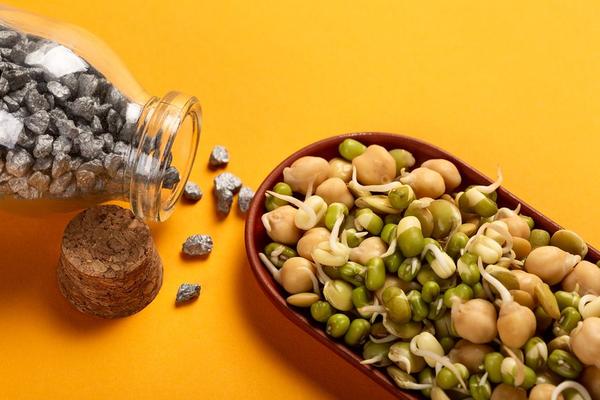
Iron and vitamin B12 often get grouped together in vegan nutrition, but they present different challenges. Iron is found in many plant foods, although the body absorbs plant-based non-haem iron less efficiently than the haem iron found in meat. Vitamin B12 is different: reliable natural plant sources are essentially absent, so fortified foods or supplements matter far more.
Combine dependable vegan iron and B12 sources across the day, improve iron absorption with smart food pairings, and check labels on fortified products because nutrient levels vary by brand.
Why iron and B12 need different strategies
Iron helps the body make haemoglobin, the protein in red blood cells that carries oxygen. Everyday vegan foods can provide iron, including lentils, beans, tofu, seeds, wholegrains, green vegetables and fortified cereals. The main consideration is absorption: plant foods provide non-haem iron, which is more sensitive to the foods and drinks consumed alongside it.
Vitamin B12 supports healthy red blood cells and the nervous system. Unlike iron, it is not naturally present in ordinary plant foods in dependable amounts. For vegans, fortified foods and supplements are therefore important. A bowl of lentils can be an excellent iron choice, but it cannot be counted on for B12.
Plant based iron sources worth eating regularly
Pulses and soy foods
Lentils, chickpeas, kidney beans and other pulses are among the easiest plant based iron sources to use regularly because they also provide protein and fibre. Tofu is another useful option. They fit naturally into curries, soups, chilli, grain bowls and salads, so iron can be built into normal meals rather than treated as a special nutritional project.
Seeds, nuts, wholegrains and greens
Pumpkin seeds, sesame seeds, cashews, wholemeal bread, quinoa and wholegrain cereals can all contribute iron. Broccoli, spring greens and watercress add more. Iron-fortified breakfast cereals are useful too. Dried apricots, prunes and figs can contribute, although they are better used as a supporting food than the main strategy.
How to absorb more plant iron
Pairing iron-rich foods with vitamin C is one of the simplest ways to improve absorption of non-haem iron. Peppers, broccoli, citrus fruit, berries, tomatoes and kiwi are easy partners for beans, lentils, tofu or fortified cereal.
For example, a lentil and chickpea bowl topped with red pepper, tomatoes and a lemon-based dressing combines iron-rich pulses with several vitamin C sources. At breakfast, an iron-fortified cereal served with strawberries or kiwi uses the same principle without adding any extra preparation.
Tea and coffee can reduce iron absorption when consumed with meals, so NHS guidance advises avoiding them during or just after main meals. If tea is part of your routine, having it between meals instead of alongside an iron-focused lunch or dinner is an easy change.
Vegan B12 foods you can actually rely on
Reliable vegan B12 foods are usually fortified foods, meaning vitamin B12 has been added during manufacturing. Common examples include some breakfast cereals, fortified soya drinks and other plant milks, fortified nutritional yeast, yeast extracts and certain meat alternatives. The crucial word is “fortified.” A plant milk or nutritional yeast is not automatically a B12 source simply because it is vegan.
Check the nutrition label for vitamin B12 and look at the amount per serving. Formulations change, and similar products can provide different amounts. If your favourite plant milk has no B12 listed, do not count it toward your intake.
Be cautious with claims that spirulina, fermented vegetables or unfortified seaweed can replace fortified foods or supplements. Mainstream nutrition guidance does not treat ordinary plant foods as reliable natural B12 sources. For B12, consistency matters more than novelty.
Fortified foods or a B12 supplement?
Some people can meet their B12 needs through a deliberate pattern of fortified foods, while others find a supplement simpler and more dependable. The best choice depends on your diet, life stage and whether anything affects absorption.
The NHS says adults aged 19 to 64 need about 1.5 micrograms of vitamin B12 a day. Supplement doses should not be compared directly with food amounts because absorption changes with dose. If you are unsure what supplement routine is appropriate, follow reputable product guidance and speak with a doctor or registered dietitian, particularly if you have previously had low B12.
Vegan nutrient deficiencies are not inevitable
A vegan diet does not automatically cause iron or B12 deficiency. Risk depends on intake, absorption, individual requirements and medical factors. Iron deserves extra attention for people who menstruate, are pregnant or have previously had iron deficiency. B12 needs steady attention because the body can store it for a long time, so a dietary shortfall may not become obvious quickly.
Tiredness, weakness or poor concentration can have many causes. Symptoms alone cannot tell you whether iron or B12 is low. If you are concerned, a healthcare professional can assess your diet, symptoms and blood tests rather than relying on guesswork or automatically taking high-dose iron.
A simple day that covers both nutrients
Breakfast could be an iron- and B12-fortified cereal with fortified soya milk and berries. Lunch might be lentil soup with wholemeal bread and a side of peppers or citrus fruit. Dinner could combine tofu or chickpeas with broccoli, quinoa and a tomato-based sauce. If you use nutritional yeast, choose one that specifically lists B12 on the label.
This illustrates the key difference: iron comes from several whole plant foods, while B12 comes from clearly identified fortified foods or a supplement. Once that pattern becomes routine, avoiding common vegan nutrient deficiencies is mostly about dependable habits.
FAQ
Can spinach provide enough iron on a vegan diet?
Spinach contains iron, but it should be one contributor rather than your only source. A varied mix of pulses, tofu, fortified cereals, wholegrains, nuts, seeds and green vegetables creates a stronger overall intake. Pairing iron-rich foods with vitamin C can also improve absorption.
Is nutritional yeast always a source of vitamin B12?
No. Some nutritional yeast is fortified with B12 and some is not. Check the nutrition label rather than assuming. The same rule applies to plant milks, breakfast cereals and vegan meat alternatives.
Can fermented foods replace a B12 supplement?
They should not be treated as a dependable replacement unless the product is specifically fortified and lists vitamin B12 on the label. Reliable vegan B12 intake comes from fortified foods and, when needed, supplements.
Should every vegan take an iron supplement?
No. Iron supplements are not automatically necessary because someone eats a vegan diet. Too much iron can be harmful, so supplements are best used when there is a demonstrated need or professional advice. Food-first planning and appropriate testing are safer than self-treating a suspected deficiency.
Build a routine, not a perfect menu
The strongest vegan iron and B12 strategy is simple: eat iron-rich plant foods regularly, pair them with vitamin C, keep tea and coffee away from iron-focused meals, and make B12 a deliberate choice through fortified foods or an appropriate supplement. You do not need a complicated meal plan. You need reliable sources that show up often enough to matter.