
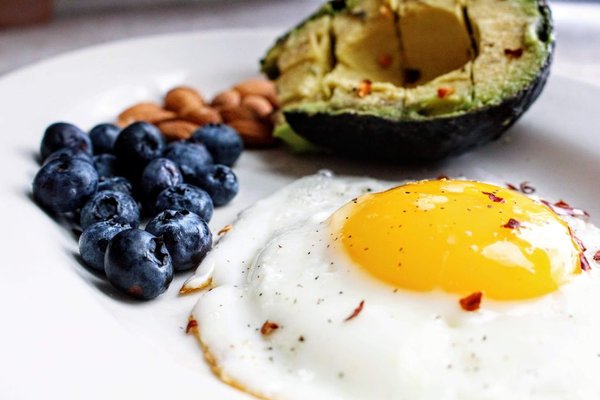
Starting keto can feel complicated because many food lists focus on what is “allowed” without showing how to build an actual meal. The simplest approach is to choose a protein, add low-carbohydrate vegetables, then include a sensible source of fat. That keeps the diet practical while avoiding the trap of living on bacon, cheese and butter. A well-planned beginner keto diet can still make room for fibre-rich vegetables, nuts, seeds and a small amount of lower-sugar fruit.
Keto Diet Basics: What Beginners Need to Know
A ketogenic diet is very low in carbohydrate, moderate in protein and relatively high in fat. A commonly used very-low-carbohydrate range is around 20 to 50 grams of carbohydrate per day, although the exact amount that produces ketosis varies from person to person. Cutting carbohydrates this sharply changes the body’s usual fuel supply and encourages production of ketones.
Not every low-carb food is automatically a good everyday choice. Fat quality, fibre, protein, vitamins and minerals still matter, so build most meals around minimally processed foods rather than packaged “keto” products.
Keto Foods to Eat Regularly
Eggs, Fish, Poultry and Meat
Eggs, chicken, turkey, beef, lamb and most unbreaded meats are naturally very low in carbohydrate. Fish and seafood are especially useful because options such as salmon, sardines, mackerel and trout provide protein along with unsaturated fats. Processed meats can fit occasionally, but check labels for added sugars and remember that bacon, sausages and cured meats can be high in salt and saturated fat.
Low-Carbohydrate Vegetables
Vegetables should not disappear just because you are cutting carbs. Build meals around leafy greens, broccoli, cauliflower, courgette, cabbage, mushrooms, peppers, cucumber, asparagus, green beans and aubergine. These foods add volume, fibre and micronutrients without the carbohydrate load of potatoes, rice or pasta. Cauliflower rice, courgette noodles and shredded cabbage are easy swaps during the first two weeks.
Fats From Olive Oil, Avocado, Nuts and Seeds
Keto is often described as a low carb high fat way of eating, but that should not translate into unlimited butter and coconut oil. Olive oil, avocado, olives, nuts, seeds and oily fish supply more unsaturated fat and are better everyday choices. Butter, cream and high-fat cheese can still be used, but they are best treated as supporting ingredients rather than the foundation of every meal.
Dairy, Nuts and Seeds
Plain Greek-style yoghurt, cheese and unsweetened dairy products can fit if their carbohydrate content works with your daily total. Almonds, walnuts, pecans, chia, flaxseed and pumpkin seeds are useful snacks and toppings. Portions still matter, and flavoured yoghurts or sweetened nut products can contain far more sugar than expected.
Small Portions of Lower-Sugar Fruit
Most fruit is nutritious, but strict keto leaves less room for it because natural sugars still count as carbohydrate. Small portions of berries are often easier to fit than bananas, grapes, mangoes or dried fruit. Avocado is particularly keto-friendly because it is low in carbohydrate and rich in unsaturated fat.
Foods to Limit or Avoid on Keto
Sugar and Sweetened Foods
Sweets, biscuits, cakes, regular soft drinks, sweetened coffee drinks, syrups, honey and most desserts can use up a keto carbohydrate allowance very quickly. “Natural” sugar is still sugar from a carbohydrate-counting perspective, so maple syrup, agave and coconut sugar are not keto shortcuts.
Bread, Pasta, Rice and Most Breakfast Cereals
These starch-heavy foods are usually too carbohydrate-dense for a ketogenic pattern, even in wholegrain versions. The same applies to crackers, wraps and most baked goods unless they are specifically formulated with substantially less carbohydrate.
Potatoes and Other Starchy Vegetables
White potatoes, sweet potatoes, parsnips and large servings of sweetcorn are generally harder to fit into strict keto. Swap them for cauliflower mash, roasted courgette, celeriac in modest portions, or extra non-starchy vegetables.
Beans, Lentils and Higher-Carb Plant Foods
Beans and lentils provide fibre and plant protein, but their carbohydrate content may be too high for strict keto portions. Vegetarian keto therefore needs more planning. Tofu, tempeh, nuts, seeds and lower-carbohydrate vegetables are easier foundations while you track overall intake.
A Simple First-Two-Weeks Keto Meal Formula
Instead of memorising hundreds of foods, use a repeatable plate formula: one palm-sized portion of protein, two generous portions of low-carbohydrate vegetables and a moderate source of fat. For breakfast, that might be eggs with spinach and mushrooms cooked in a little olive oil. Lunch could be chicken salad with cucumber, leaves, avocado and an olive-oil dressing. Dinner might be salmon with broccoli and cauliflower mash.
Keep quick foods available for busy days: boiled eggs, unsalted nuts, cheese portions, tinned fish, chopped cucumber and plain yoghurt. This can prevent hunger from sending you back to bread, pastries or takeaway meals. Useful companion topics are keto meal planning for beginners and how to increase fibre on a low-carb diet.
Check Labels, Not Just Front-of-Pack Claims
Packaged sauces, marinades, flavoured dairy products and “low-carb” snacks can contain unexpected carbohydrate. Check the nutrition panel and ingredient list rather than relying on marketing language. Also watch saturated fat and salt. Favouring olive oil, nuts, seeds, avocado and oily fish over large amounts of butter, fatty processed meat and cream is a more balanced long-term approach.
FAQ
How many carbs can a beginner eat on keto?
Many ketogenic diets fall in the range of about 20 to 50 grams of carbohydrate per day, but there is no single number that suits everyone. Your needs can vary with body size, activity, health conditions and the type of keto approach you follow.
Can I eat fruit on a keto diet?
Yes, but portions are usually small. Berries are often easier to fit because they are lower in sugar than fruits such as bananas, grapes, mangoes and dried fruit. Always count the carbohydrate within your overall day.
Do I need to eat lots of fat to stay in ketosis?
Keto is higher in fat than a standard diet, but you do not need to add large amounts of butter, cream or oil to every meal. Start with adequate protein, low-carbohydrate vegetables and enough fat for satiety, prioritising unsaturated sources where possible.
Who should get medical advice before starting keto?
Speak with a qualified healthcare professional before making a major carbohydrate reduction if you have diabetes, take glucose-lowering or blood-pressure medication, are pregnant or breastfeeding, have kidney, liver or pancreatic disease, have a history of eating disorders, or need a therapeutic ketogenic diet. Medical ketogenic diets are individually prescribed and monitored rather than self-directed.
Build a Keto Food List You Can Actually Use
The best keto diet food list for beginners is not the longest one. It is the one that makes everyday meals obvious: protein, low-carbohydrate vegetables, mostly unsaturated fats, carefully chosen dairy, nuts and seeds, with sugary and starchy foods kept to a minimum. Start with a small group of repeatable meals, read labels, and make fibre and food quality part of the plan from day one. That approach is easier to sustain than chasing perfect macros with heavily processed keto products.