
When people talk about common infectious diseases, it’s easy to jump straight to the scary stuff. But let’s be real for a second—most of these illnesses are things we’ve all dealt with at some point in life. A cold that knocks you out for a week, a stomach bug that ruins your entire day, or that flu that makes you wonder if your bones are actually made of glass. The thing is, infectious diseases have always been woven into human history. And despite all our tech, modern medicine, and fancy supplements that promise to “boost your immunity,” they’re still around.
So today, let’s walk through some of the most common infectious diseases, what causes them, what they look like, and—most importantly—how you can keep them from messing up your plans.
Understanding What Makes an Infectious Disease “Infectious”
Before jumping into specific illnesses, it helps to understand what we’re talking about. Infectious diseases are caused by tiny organisms like bacteria, viruses, fungi, and parasites. They sneak into the body, multiply, and cause trouble. Some infections spread easily from person to person (think flu), while others require close contact or contaminated food or water.
You know how sometimes you catch something and swear it came out of nowhere? Yeah, it didn’t. These organisms are everywhere—on surfaces, in the air, in water, even on our own skin. But don’t panic. Your immune system fights off most invaders without you even noticing. It’s only when something overpowers your defenses that symptoms show up.
The Common Cold: The One We All Know Too Well
Let’s start with the classic: the common cold. It’s basically the poster child of common infectious diseases. Caused mainly by rhinoviruses, it spreads ridiculously fast, especially in crowded areas. One minute you’re fine, and the next you’re wondering why your nose has turned into a faucet.
Symptoms include sneezing, congestion, a sore throat, and sometimes a mild fever. Honestly, it’s annoying more than anything. But because it spreads through droplets from coughing or touching contaminated surfaces, it’s everywhere during colder months.
Washing hands, avoiding face-touching, and keeping some distance from people who are visibly sick can lower your chances of catching it. Though, let’s be honest, sometimes it feels inevitable.
Influenza: The Cold’s More Dramatic Cousin
While the flu might seem like a more intense version of a cold, it’s actually a whole different virus. And wow, does it pack a punch. Fever, chills, body aches that make you want to hibernate, exhaustion, and that general “I’m dying” feeling—sound familiar?
Influenza is one of those common infectious diseases that tends to come in seasonal waves. Because it changes strains often, yearly vaccines are recommended. Some people shrug off the flu shot, but the truth is that it can reduce the severity if you do catch it. It’s not just about prevention—it’s about protection.
Stomach Bugs: When Your Gut Goes to War
Gastroenteritis, or the stomach flu, is another widespread infection. Despite the name, it’s usually not caused by influenza at all. Viruses like norovirus or rotavirus are the usual suspects. And if you’ve ever had it, you know how miserable it can be.
Symptoms hit fast: nausea, vomiting, diarrhea, stomach cramps, and sometimes a fever. It spreads through contaminated food or water, or even touching surfaces after an infected person.
Staying hydrated is key here. Your body loses fluids quickly, so sipping electrolyte drinks helps. Prevention mainly comes down to hygiene—washing hands thoroughly, especially before eating or preparing food.
Strep Throat: More Than Just a Sore Throat
Strep throat isn’t just another sore throat you can power through. It’s a bacterial infection caused by Streptococcus pyogenes, and it can make swallowing feel like torture. People often experience high fever, swollen lymph nodes, and those red, inflamed tonsils that sometimes develop white patches.
The reason strep throat is one of the more concerning common infectious diseases is that untreated cases can lead to complications like rheumatic fever. Luckily, antibiotics clear it up quickly. The trick is getting tested early if symptoms seem more severe than a normal cold.
Pink Eye: The Infection That Makes Your Morning Terrifying
Conjunctivitis—also known as pink eye—shows up out of nowhere and usually makes you think something is seriously wrong when you look in the mirror. The redness, itching, and watery discharge are unmistakable.
Pink eye can be viral or bacterial, and yes, it’s highly contagious. One innocent eye rub after touching a contaminated surface, and boom. You’re stuck wearing sunglasses indoors for two days. Keeping your hands clean and avoiding sharing makeup or towels helps reduce your risk.
COVID-19: The Infectious Disease That Changed Everything
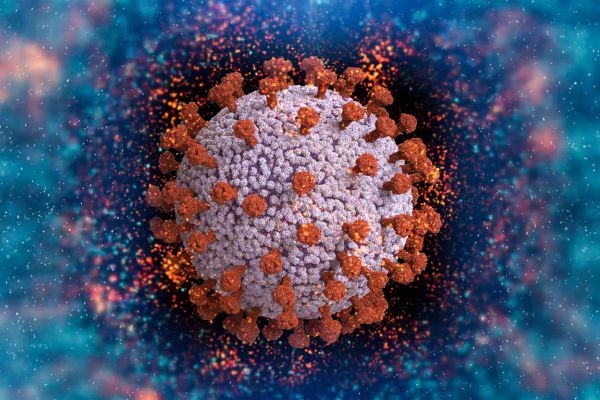
Even though we’re past the height of the pandemic, COVID-19 is still circulating. It became one of the most globally recognized common infectious diseases practically overnight. Symptoms range wildly—from no symptoms at all to fever, cough, fatigue, loss of taste or smell, and difficulty breathing.
Vaccines, masks in crowded places, and staying home when sick are still effective ways to reduce transmission. The world learned a tough lesson: infectious diseases can evolve quickly, and prevention is way more powerful than panic.
Skin Infections: Tiny Cuts, Big Problems
Skin infections like athlete’s foot, impetigo, and ringworm are also extremely common. Fungi and bacteria thrive in warm, moist environments, like gyms or shared showers. Even a tiny cut can invite bacteria in.
Keeping your skin clean and dry, wearing sandals in public showers, and avoiding sharing personal items can help keep these stubborn infections away.
How to Protect Yourself From Common Infectious Diseases
The good news? Preventing many of these illnesses comes down to small, everyday habits. And no, you don’t need to turn into a germ-phobic superhero—just be mindful.
Simple measures like washing your hands thoroughly, getting recommended vaccines, cooking food properly, staying home when you’re genuinely sick, and keeping your surroundings clean all go a long way. The key is consistency. You don’t have to be perfect; you just have to be aware.
Also, listen to your body. You know when something feels “off.” Rest, hydrate, and don’t push through illnesses that clearly need attention. There’s no award for suffering more than necessary.
Final Thoughts: Staying Healthy in a Busy World
At the end of the day, common infectious diseases are part of life. We can’t avoid every germ out there, and honestly, we shouldn’t try to live in a bubble. But we can make smart choices that reduce the chances of getting knocked down by illnesses that spread easily.
Staying informed, maintaining basic hygiene, and listening to your body when it needs rest all add up. You don’t need complicated routines or extreme precautions—just simple habits that keep you safe without stressing you out.
Take care of yourself, stay aware, and remember: a little prevention now saves you a whole lot of trouble later. If anything, that’s the real secret to staying healthier in a world full of microbes.