
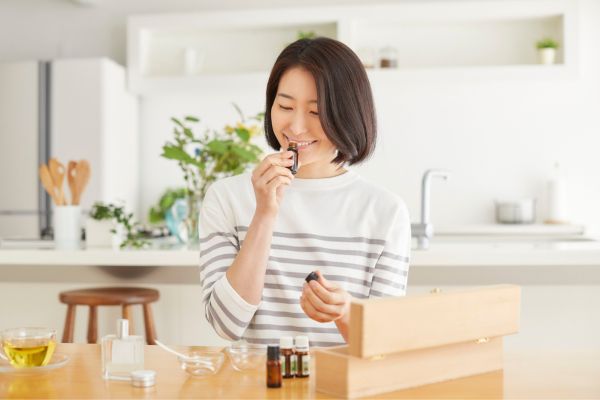
Weight loss is rarely as simple as one magic ingredient, one morning habit, or one bottle placed on the shelf. Anyone who has tried to lose weight knows it is more layered than that. Food choices matter. Movement matters. Sleep, stress, hormones, cravings, digestion, and daily routine all play their part. In that wider picture, essential oils have become a popular natural wellness tool, often discussed for their aromas, mood-supporting qualities, and possible role in healthier habits.
Still, it is important to begin with honesty. Essential oils for weight loss are not fat-melting solutions. They do not replace balanced meals, physical activity, sleep, or medical guidance. What they may do, when used safely, is support the environment around weight loss. A calming scent may help reduce stress eating. A bright citrus aroma may make a morning routine feel fresher. A soothing oil used in a massage blend may encourage better body awareness and relaxation.
In other words, essential oils are best viewed as supportive companions, not shortcuts. Used thoughtfully, they may help create a healthier rhythm around the choices that actually influence weight.
Understanding the Real Role of Essential Oils in Weight Loss
Essential oils are concentrated plant extracts, usually used through aromatherapy or diluted topical application. Their appeal is easy to understand. A few drops of peppermint, grapefruit, lemon, lavender, or ginger oil can instantly change the feel of a room or a self-care routine. Scent is closely tied to memory, mood, and appetite, which is why aromatherapy often feels personal and emotional.
When people talk about essential oils for weight loss, they are usually referring to indirect support. Some oils may help create a sense of energy before exercise. Others may encourage relaxation after a stressful day. Some aromas may feel refreshing when cravings appear, especially if those cravings are more emotional than physical.
But body weight changes through a consistent calorie balance over time. A healthy eating pattern and regular movement remain the foundation. Essential oils cannot override overeating, poor sleep, or inactivity. They work best when paired with realistic habits rather than used as a replacement for them.
Grapefruit Essential Oil and a Fresh Start Feeling
Grapefruit essential oil is one of the most popular oils associated with weight management. Its scent is sharp, bright, and slightly bitter-sweet, which makes it feel energizing. Many people use it in a diffuser in the morning or before a workout because the aroma can make the space feel lighter and more awake.
Part of grapefruit oil’s popularity comes from its association with freshness and appetite awareness. For some, citrus scents create a clean, uplifting atmosphere that makes healthier choices feel more inviting. It is not that the oil burns fat by itself. Rather, it may help support a mood that fits well with a more active, intentional lifestyle.
If used on the skin, grapefruit essential oil should be diluted properly with a carrier oil. Citrus oils can sometimes increase skin sensitivity to sunlight, so daytime topical use requires extra care. For many people, diffusion is the simplest and safest way to enjoy its aroma.
Peppermint Essential Oil for Energy and Focus
Peppermint essential oil has a crisp, cooling scent that many people associate with alertness. It is often used before workouts, during afternoon slumps, or when the mind feels foggy. For someone trying to maintain a weight loss routine, that sense of freshness may be useful.
One common challenge in weight loss is not knowing what to eat. Another is knowing exactly what to do but feeling too tired or distracted to do it. Peppermint oil does not create discipline by magic, of course, but it may help turn a dull moment into a more focused one. Diffusing peppermint while preparing workout clothes or stretching before a walk can create a small mental cue: it is time to move.
Peppermint oil is strong, so it should be used lightly. It may not be suitable for young children, some people with respiratory sensitivity, or those who react strongly to menthol-like aromas. A little goes a long way.
Lemon Essential Oil and Healthier Daily Rituals
Lemon essential oil has a clean, cheerful scent that fits naturally into morning routines. Many people enjoy diffusing it while cleaning the kitchen, planning meals, or preparing breakfast. The scent itself does not cause weight loss, but it can help make healthy routines feel more pleasant.
This matters more than people think. Weight loss often fails not because the plan is impossible, but because the routine feels dull, punishing, or disconnected from real life. A bright aroma can make a simple habit feel more intentional. Drinking water, preparing fruit, packing lunch, or taking a short walk may feel easier when paired with a refreshing sensory cue.
Lemon oil should not be swallowed or added to drinking water unless guided by a qualified professional using products specifically intended for that purpose. Essential oils are highly concentrated and can be irritating or unsafe when consumed casually.
Ginger Essential Oil and Digestive Comfort
Ginger is widely known as a warming digestive spice, and ginger essential oil carries a similar spicy, earthy aroma. In wellness routines, it is often used for a grounded, comforting feeling. For people whose weight goals are affected by bloating, sluggishness, or heavy eating patterns, ginger’s scent may feel supportive.
A diluted ginger oil massage blend may be used on the abdomen for comfort, though it should never be applied undiluted. The purpose is not to “melt belly fat,” a claim that is both unrealistic and misleading. Instead, the warmth of the aroma and massage may help someone slow down, breathe more deeply, and reconnect with the body.
That kind of body awareness can be valuable. Many people eat quickly, ignore fullness cues, and only notice the body when discomfort appears. A simple evening ritual, done gently, can encourage better attention to hunger, fullness, and digestion.
Lavender Essential Oil for Stress Eating
Lavender essential oil is not usually the first oil people connect with metabolism, but it may be one of the most relevant for emotional eating. Stress, poor sleep, and late-night anxiety can all make weight management harder. When the nervous system is tired, cravings often become stronger and decision-making becomes weaker.
Lavender is commonly used in aromatherapy for relaxation. A soft lavender scent before bed, during a bath, or in a quiet evening routine may help signal that the day is slowing down. Better sleep habits can indirectly support weight management because tiredness often increases hunger, snack cravings, and low motivation.
This is where essential oils can be genuinely useful. Not because lavender changes body fat directly, but because it may support the emotional conditions that make healthier choices easier.
Cinnamon Essential Oil and Craving Awareness
Cinnamon essential oil has a warm, sweet, spicy aroma. Some people use it when they are trying to manage sugar cravings, especially during colder months when comfort foods become more tempting. The scent can feel cozy without actually eating something sweet.
However, cinnamon essential oil is very potent and can irritate the skin if used carelessly. It should be diluted heavily and used with caution. For many people, simply diffusing a tiny amount or choosing a pre-blended aromatherapy product is safer than applying it topically.
The real benefit here is not appetite control in a strict sense. It is awareness. A warm scent can create a pause between craving and action. Sometimes that pause is enough to ask, “Am I hungry, tired, stressed, or just looking for comfort?” That small moment of reflection can change a habit over time.
How to Use Essential Oils Safely
Safety matters with essential oils because they are concentrated. Natural does not always mean gentle. Most essential oils are meant to be inhaled through aromatherapy or applied to the skin only after proper dilution with a carrier oil, such as coconut, jojoba, almond, or olive oil.
Diffusers are a common option, but they should be used in moderation and in a ventilated space. Strong aromas can cause headaches, nausea, or irritation in sensitive people. Essential oils should also be kept away from children and pets, and anyone who is pregnant, breastfeeding, managing asthma, taking medication, or living with a chronic condition should seek professional advice before using them regularly.
Topical use requires a patch test. Apply a small amount of diluted oil to a small area of skin and observe for irritation. Essential oils should not be applied near the eyes, inside the nose, or on broken skin. They should not be swallowed casually, added freely to water, or used as a substitute for medical care.
Building a Weight Loss Routine Around Scent
The most realistic way to use essential oils for weight loss is to pair them with habits that already support your goal. For example, citrus oil in the morning can become a cue for meal planning. Peppermint before exercise can become a cue for movement. Lavender at night can become a cue for better sleep. Ginger in a massage blend can become a cue for slowing down after dinner.
This is less dramatic than the promises often seen online, but it is more useful. Human behavior is shaped by repeated cues. A scent can become part of a routine that tells the brain, “This is what we do now.” Over time, those routines can make healthy choices feel less forced.
The key is consistency. One day of diffusing lemon oil will not change much. But a month of using scent to support walking, mindful eating, sleep, and stress control may help create a more stable lifestyle.
The Problem With “Metabolism-Boosting” Claims
The phrase “boost metabolism naturally” sounds appealing, but it is often overused. Metabolism is complex. It is influenced by body size, muscle mass, age, hormones, activity level, sleep, and overall health. No essential oil can safely or reliably transform metabolism on its own.
This does not make essential oils useless. It simply places them in the right category. They are wellness supports, not metabolic engines. They may improve the feel of a routine. They may help with relaxation, focus, or sensory satisfaction. They may make it easier to stay connected to healthier habits.
That honest view is more empowering than miracle claims. It means you do not have to wait for a product to fix everything. You can build the foundation yourself and use natural tools where they make sense.
When to Be Careful or Avoid Essential Oils
Some people should be especially cautious with essential oils. Those with asthma, allergies, migraines, sensitive skin, epilepsy, pregnancy, or chronic health conditions may react differently. Children and pets are also more vulnerable to strong essential oil exposure.
Certain oils can interact with sunlight, irritate the skin, or cause problems when used in large amounts. More is not better. Stronger is not better. A safe, gentle approach is always wiser than aggressive use.
It is also worth avoiding any advice that suggests drinking essential oils for quick weight loss. This can be unsafe. Weight loss should never require risky methods, harsh cleanses, or internal use of concentrated oils without professional supervision.
Conclusion
Essential oils for weight loss are best understood as supportive tools for a healthier lifestyle, not as direct fat-loss treatments. Grapefruit, lemon, peppermint, ginger, lavender, and cinnamon oils may help shape mood, focus, relaxation, and routine. These small shifts can matter, especially when weight loss is affected by stress, cravings, low energy, or inconsistent habits.
Real progress still comes from balanced eating, regular movement, enough sleep, and patience with the body. Essential oils can add a sensory layer to that process, making healthy routines feel calmer, fresher, and more enjoyable. Used safely and realistically, they may not do the work for you, but they can help create the kind of environment where the work feels a little more natural.