
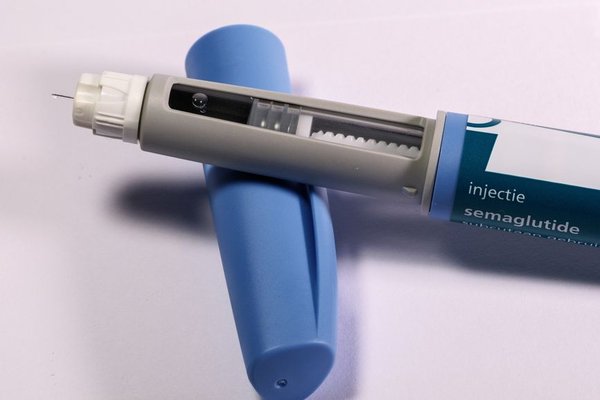
GLP-1 medications have moved from specialist diabetes clinics into mainstream conversations about weight management. These medicines change several signals involved in hunger, fullness, digestion, and blood sugar control. For eligible patients, those changes can make it easier to eat less without fighting constant hunger.
What GLP-1 means and why it matters for weight loss
GLP-1 stands for glucagon-like peptide-1, a hormone your gut naturally releases after you eat. It helps the body respond to food by increasing insulin when blood sugar is elevated, reducing glucagon, slowing movement of food through the stomach, and sending fullness signals to the brain.
GLP-1 receptor agonist medicines imitate those signals but are designed to last much longer than the natural hormone. Semaglutide is a GLP-1 receptor agonist. Tirzepatide acts on both GLP-1 and GIP receptors, so it is technically a dual GIP/GLP-1 agonist, although it is often discussed alongside GLP-1 drugs because of its overlapping effects on appetite and weight.
How GLP-1 medications actually help people lose weight
They turn down hunger signals
The most noticeable effect for many people is reduced appetite. GLP-1 activity affects areas of the brain involved in hunger and food intake. Meals may feel satisfying sooner, and thoughts about food can become less persistent. That does not mean hunger disappears, but the biological pressure to keep eating may be lower.
They help fullness last longer
These medicines can slow gastric emptying, especially early in treatment, which means food may leave the stomach more gradually. Combined with brain-based appetite effects, this can help a smaller meal feel more substantial.
They improve blood sugar regulation
GLP-1 medicines were first widely used in diabetes care because they increase insulin release when glucose is high and reduce inappropriate glucagon release. Better glucose control is not the same as weight loss, but it can matter for people who also have type 2 diabetes.
What semaglutide weight loss can realistically look like
Results vary widely. In a major 68-week trial of adults with overweight or obesity without diabetes, participants taking semaglutide 2.4 mg alongside lifestyle support lost about 14.9% of their starting body weight on average, compared with about 2.4% with placebo. Those numbers are trial averages, not a promise for an individual patient.
Tirzepatide has also produced substantial average weight loss in clinical trials. In the pivotal 72-week study used in its obesity program, higher doses produced greater average losses than lower doses. Response depends on dose, tolerability, adherence, health history, and lifestyle factors.
A practical way to think about this is to imagine someone who starts treatment at 220 pounds. A 10% reduction would be 22 pounds, while a 15% reduction would be 33 pounds. Their actual result could be smaller or larger. Clinicians also look at blood pressure, blood sugar, mobility, and other weight-related risks.
Who are these medications typically prescribed for?
In the United States, prescription weight-management medicines are generally considered for adults with obesity, commonly defined as a BMI of 30 or higher, or for adults with a BMI of 27 or higher who also have a weight-related condition such as hypertension or type 2 diabetes. Exact indications differ by product, and age approvals also vary.
Wegovy is an FDA-approved semaglutide product for chronic weight management in eligible patients. It is available in injectable forms, and an oral Wegovy tablet is also FDA approved, so the category is no longer limited to weight loss injections. Ozempic also contains semaglutide but is approved for type 2 diabetes and certain cardiovascular and kidney-risk indications rather than as the semaglutide brand specifically approved for chronic weight management.
Weight management options beyond medication also matter because drugs are only one part of treatment.
Common GLP-1 side effects and important safety issues
The most common GLP-1 side effects are gastrointestinal. Nausea, vomiting, diarrhea, constipation, abdominal discomfort, and reduced appetite can occur, particularly while the dose is being increased. Prescribers usually raise the dose gradually to improve tolerability.
These medicines also carry product-specific warnings and contraindications. Semaglutide and tirzepatide labels include a boxed warning about thyroid C-cell tumors observed in rodents; whether this risk applies to humans is unknown. They are contraindicated in people with a personal or family history of medullary thyroid carcinoma or multiple endocrine neoplasia syndrome type 2. Other serious risks can include pancreatitis, gallbladder problems, kidney injury related to dehydration, and severe gastrointestinal reactions.
Weight-management medicines are not used during pregnancy. Anyone considering treatment should review their medical history, other medications, and pregnancy plans with a qualified clinician. People should also be cautious with unapproved or improperly compounded products; the FDA has reported dosing errors and adverse events involving compounded semaglutide and tirzepatide.
For more detail, an internal guide on GLP-1 side effects and safety can help readers understand which symptoms are common and which deserve prompt medical attention.
Why the medication is usually only part of the plan
GLP-1 drugs can change appetite biology, but they do not make nutrition, muscle preservation, sleep, or physical activity irrelevant. Adequate protein, nutrient-dense foods, hydration, and resistance exercise when appropriate can be useful while body weight is falling.
Treatment may also be long term. Obesity is a chronic condition, and weight regain is common after weight-management medication is stopped. A clinician may recommend continuing therapy when it is effective, tolerated, and medically appropriate. A broader guide to maintaining weight loss after medication can fit naturally alongside this topic.
Frequently asked questions
Do GLP-1 medications burn fat directly?
No. They do not work like a fat-burning stimulant. Their main weight-related effects come from appetite, fullness, food intake, and related metabolic pathways. Body fat decreases when total energy intake stays below the body’s needs over time.
How quickly do GLP-1 medications start working?
Appetite changes may appear early, but meaningful weight loss usually develops over months. Doses are commonly increased gradually, so the full effect may take time. Clinical trials typically measure results over many months rather than a few weeks.
Are all GLP-1 weight loss medications injections?
No. Many well-known products are weekly injections, but FDA-approved oral semaglutide for chronic weight management is now available in the United States. The correct formulation depends on the product, indication, and individual treatment plan.
Will the weight stay off after stopping?
Some people regain weight after treatment ends because appetite and other biological drivers can return. Long-term eating, activity, sleep, and follow-up strategies still matter, and some patients may remain on medication when their clinician judges the benefits to outweigh the risks.
The bottom line
GLP-1 medications work for weight loss mainly by making hunger easier to manage and fullness easier to reach, while also affecting digestion and glucose regulation. Semaglutide, tirzepatide, and related medicines can produce clinically meaningful weight loss for eligible patients, but results are individual and side effects matter. The best use of these medicines is not as a quick fix, but as part of a medically supervised, long-term approach to obesity and weight-related health.