
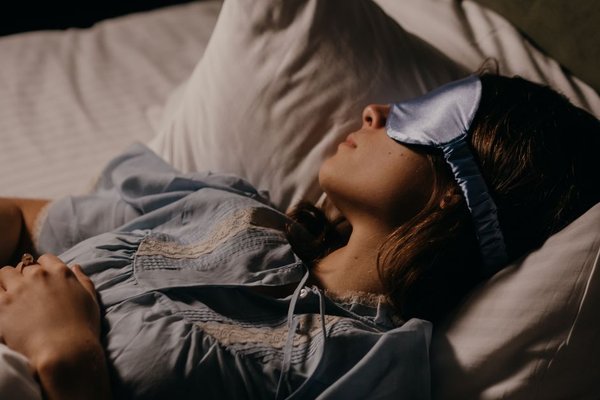
A nap can rescue a sluggish afternoon, yet the same nap can leave you staring at the ceiling that night. The difference is rarely whether daytime sleep is good or bad. It is how much sleep you take, when you take it, and whether your nights are already going well. Understanding the relationship between naps and nighttime sleep helps you rest without accidentally shifting the problem into bedtime.
Why a nap can change your sleep later
Two overlapping processes influence when you feel sleepy. Your body clock makes some hours naturally better for sleep and others better for alertness. Meanwhile, sleep pressure builds the longer you stay awake and falls when you sleep. A daytime nap relieves that pressure, which is useful during a demanding afternoon but less helpful if you need to fall asleep a few hours later.
That is why identical naps may have different effects. Someone who slept poorly might welcome a brief reset. Someone who struggles to fall asleep may find that even modest daytime rest removes the drowsiness needed at bedtime. Your usual sleep schedule matters more than a universal rule.
When daytime naps genuinely help
They restore alertness during the afternoon dip
Many people experience a natural lull in alertness during the early or middle afternoon. It is not necessarily caused by lunch. A short nap during this window may improve concentration, mood, and reaction time. The US Centers for Disease Control and Prevention’s National Institute for Occupational Safety and Health describes brief naps as useful for restoring alertness.
Picture someone who starts work at 8 a.m., finishes lunch at 1 p.m., and has focused tasks ahead. Resting for 20 minutes at 1:30 p.m. could make the afternoon more manageable while leaving a generous gap before an 11 p.m. bedtime. Sleeping from 5:30 to 7 p.m., however, may leave too little sleep pressure for that night.
They provide temporary support after a short night
After an unusually early start, interrupted night, or travel disruption, a brief nap can help you function. It does not fully replace missed nighttime sleep. Regular, adequate sleep remains the foundation, and repeated sleep loss needs a longer-term solution.
Shift workers and new parents may need different nap timing because their main sleep period does not always happen at night. In those circumstances, plan naps around your actual protected sleep window rather than following daytime-worker advice mechanically.
When naps are more likely to hurt nighttime sleep
They stretch too close to bedtime
For someone following a conventional daytime routine, an evening nap can leave too little wakeful time before bed. You might feel mentally tired but not sleepy enough to drift off. Mayo Clinic advises that naps after roughly 3 p.m. may make nighttime sleep more difficult, although individual schedules vary. An early-afternoon nap is usually the safer starting point.
They turn into long sleep sessions
Nap length changes the outcome. A 20- to 30-minute rest is often enough to reduce fatigue without becoming an extended sleep period. An hour or more may substantially reduce sleep pressure and produce sleep inertia: the heavy, foggy feeling just after waking. Longer planned naps sometimes serve people with unusual work demands, but they are not the default choice for protecting nighttime sleep.
They mask a persistent nighttime problem
If you routinely lie awake at night, compensating with lengthy daytime naps can create a loop: poor sleep leads to an afternoon crash, the nap makes bedtime harder, and the next day brings another crash. People managing insomnia are sometimes advised to limit or avoid naps as part of structured treatment, including cognitive behavioural therapy for insomnia.
A sudden need for frequent naps, or severe sleepiness despite sufficient time in bed, also deserves attention. Sleep apnoea, medication effects, and other health problems can contribute. Speak with a healthcare professional rather than assuming more naps are the answer.
How to find a nap that works with your nights
Begin with your normal bedtime and work backwards. If you generally sleep at night, aim for the early afternoon, try around 20 minutes, and use an alarm. Mayo Clinic suggests approximately 20 to 30 minutes for many healthy adults. Give yourself time to feel fully awake afterward, especially before driving or doing safety-sensitive work.
Choose a quiet, dim place and a comfortable temperature. You do not need to force sleep. A quiet break can still feel pleasant, although resting awake does not provide exactly the same alertness benefits as actual sleep.
Then judge the result by the next night, not just the next hour. For one week, note nap timing, nap length, bedtime, approximate time to fall asleep, and wake-up time. If naps improve your afternoon without delaying sleep, the pattern may suit you. If bedtime drifts later, shorten the nap, move it earlier, or skip it for several days and compare.
Keep a consistent wake-up time while experimenting. Changing naps, caffeine, bedtime, and wake time simultaneously makes it hard to know what helped. Protecting a consistent wake-up time and a calming bedtime routine gives you a steadier baseline for assessing daytime rest.
What to do instead when a nap backfires
If it is already late afternoon, try a brief walk, daylight exposure, or a break from demanding tasks rather than a long nap. Avoid using late-day caffeine to cancel out grogginess, since it may complicate the coming night’s sleep. If insomnia continues, seek professional guidance instead of endlessly adjusting naps on your own.
Take drowsy driving seriously. A short nap may temporarily improve alertness, but overwhelming sleepiness calls for a safe stop and adequate rest, not an attempt to push through.
Frequently asked questions
Will a 20-minute nap ruin my nighttime sleep?
Usually not for healthy adults, especially when taken early in the afternoon. However, if you are sensitive to daytime sleep or already have insomnia, even a short nap can make bedtime harder. Your experience over several days is a useful guide.
Is a two-hour nap ever a good idea?
Long naps can support recovery around shift work or unusual sleep loss, but they may cause grogginess and interfere with a conventional nighttime sleep schedule. They should not become a routine substitute for sufficient sleep at night.
What time should I stop napping?
If you usually sleep at night, an early-afternoon finish is sensible; avoid naps after about 3 p.m. when possible. If you work nights, plan around the timing of your main sleep period instead of using that clock-time cutoff.
Should I nap if I have insomnia?
Frequent naps can reduce sleep pressure and worsen difficulty falling asleep. Many insomnia treatment plans therefore restrict napping. Ask a healthcare professional about an approach suited to your symptoms, especially if problems persist.
The bottom line
Naps and nighttime sleep do not have to compete. Brief, well-timed daytime rest can make a difficult afternoon easier without noticeably disrupting the night. The warning signs are late naps, long naps, and growing dependence on them to recover from poor sleep. Protect your main sleep period first, and let a nap remain a helpful tool rather than the centre of your sleep schedule.