
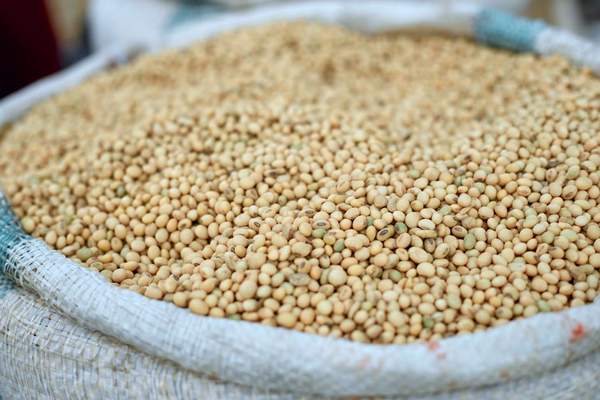
A well-planned vegan diet can provide plenty of protein without animal foods. The key is variety: legumes, soy foods, grains, seeds, nuts and fortified products can all contribute meaningful amounts across the day. This vegan protein sources list uses practical serving sizes and approximate protein values based on standard nutrition data. Exact figures vary by brand, variety and preparation, so packaged foods should be checked against their labels.
For healthy adults, the standard protein RDA is about 0.8 grams per kilogram of body weight per day, although needs can be higher depending on age, activity, pregnancy or health circumstances. Rather than chasing one “perfect” food, build meals from several plant based protein sources.
25 vegan protein foods worth knowing
1. Seitan — about 20 to 25g per 100g
Made from wheat gluten, seitan is one of the most protein-dense vegan foods. Its chewy texture works well in stir-fries, sandwiches and fajitas. It is unsuitable for people with coeliac disease or a gluten allergy.
2. Tempeh — about 20g per 100g
Fermented soybeans give tempeh a firm texture and nutty flavour. Try it crumbled into chilli, sliced into wraps or baked with a savoury marinade.
3. Firm tofu — about 9 to 17g per 100g
Protein varies substantially between tofu brands and firmness levels. Firm and extra-firm versions are usually higher in protein than silken tofu.
4. Edamame — about 18g per cooked cup
Young soybeans provide protein alongside fibre. Add shelled edamame to grain bowls, noodles or salads for an easy high protein vegan boost.
5. Cooked lentils — about 18g per cup
Lentils are inexpensive, filling and easy to use in soups, curries, pasta sauces and salads.
6. Cooked chickpeas — about 14 to 15g per cup
Chickpeas work in curries, salads, roasted snacks and hummus, providing both protein and fibre.
7. Cooked black beans — about 15g per cup
Black beans are an easy base for tacos, burrito bowls, soups and bean burgers.
8. Cooked kidney beans — about 15g per cup
Kidney beans suit chilli, rice dishes and mixed-bean salads. If cooking from dry, prepare them thoroughly according to food-safety instructions.
9. Cooked pinto beans — about 15g per cup
Pinto beans mash easily for burritos, tostadas and spreads and contribute substantial fibre as well as protein.
10. Cooked split peas — about 16g per cup
Split peas are especially useful in thick soups and stews and are budget-friendly.
11. Cooked navy beans — about 15g per cup
Navy beans have a mild flavour that suits soups, casseroles and tomato-based dishes.
12. Cooked soybeans — about 28g per cup
Mature soybeans are among the highest-protein whole legumes and work well in salads, soups and mixed-bean dishes.
13. Unsweetened soy milk — about 7 to 9g per cup
Soy milk usually contains considerably more protein than almond, rice or coconut drinks. Fortified versions may also provide calcium and vitamin B12.
14. Pea-protein milk — about 8g per cup
Some pea-based plant milks are formulated to provide protein levels similar to soy or dairy milk. Check the label because brands vary.
15. Quinoa — about 8g per cooked cup
Quinoa makes a useful grain-style base for bowls, salads and side dishes while contributing more protein than many refined grains.
16. Amaranth — about 9g per cooked cup
This small seed cooks much like a grain and can be used in breakfast porridge or savoury bowls.
17. Buckwheat groats — about 6g per cooked cup
Buckwheat is naturally gluten-free and works in porridge, warm grain salads and side dishes.
18. Oats — about 6g per cooked cup
Oatmeal becomes more protein-rich when paired with soy milk, peanut butter, chia seeds or hemp hearts.
19. Green peas — about 8.5g per cooked cup
Peas are an underrated protein contributor. Stir them into pasta, rice, soups or mashed potatoes.
20. Hemp hearts — about 9 to 10g per 3 tablespoons
Hemp hearts are easy to scatter over oats, salads, toast or smoothie bowls.
21. Pumpkin seeds — about 8 to 9g per 1-ounce serving
Pumpkin seeds work as a snack or crunchy topping for soups, salads and breakfast bowls.
22. Peanuts — about 7g per 1-ounce serving
Peanuts are technically legumes and provide a compact mix of protein and energy.
23. Peanut butter — about 7 to 8g per 2 tablespoons
Peanut butter is an easy protein boost for toast, oats, smoothies or fruit, though portions matter because it is energy-dense.
24. Chia seeds — about 4.5 to 5g per 2 tablespoons
Chia seeds combine modest protein with fibre and omega-3 fats and work well in puddings, oats and smoothies.
25. Nutritional yeast — about 5 to 8g per 2 tablespoons
Nutritional yeast adds a savoury flavour to pasta, potatoes and sauces. Protein and vitamin B12 content vary widely by brand.
How to build a higher-protein vegan meal
A practical strategy is to combine one major protein source with smaller supporting foods. A bowl with one cup of lentils, quinoa, vegetables and hemp hearts can deliver a substantial amount of protein without a supplement. At breakfast, oats made with soy milk and topped with peanut butter or chia can raise protein well above plain oatmeal.
You do not need to combine specific plant proteins at every meal. Eating a varied diet across the day generally supplies the essential amino acids your body needs.
Useful related reads include vegan meal planning for beginners, high-protein plant-based breakfasts, and how much protein you need each day.
Frequently asked questions
What is the highest-protein vegan food on this list?
Seitan, mature soybeans, tempeh and some extra-firm tofu products are among the most protein-dense choices. Compare foods on the same weight basis for the fairest comparison.
Can you get enough protein without vegan protein powder?
Yes. Many people can meet protein needs with ordinary foods such as soy, beans, lentils, grains, nuts and seeds. Protein powder can be convenient, but it is not essential for everyone.
Are all plant proteins incomplete?
No. Soy foods provide all essential amino acids. More broadly, a varied plant-based diet can provide adequate essential amino acids without carefully pairing foods at each meal.
Why do protein values differ between websites and labels?
Different varieties, brands, water content, cooking methods and serving sizes can change the numbers. Use these figures as estimates and rely on the package label when tracking a specific product.
A varied vegan diet makes protein easier
The main lesson is that you do not need to depend on one food. Build meals around legumes or soy, add grains, and use nuts or seeds as smaller boosters. With planning, plant-based eating can provide protein throughout the day while also supplying fibre and other nutrients.