
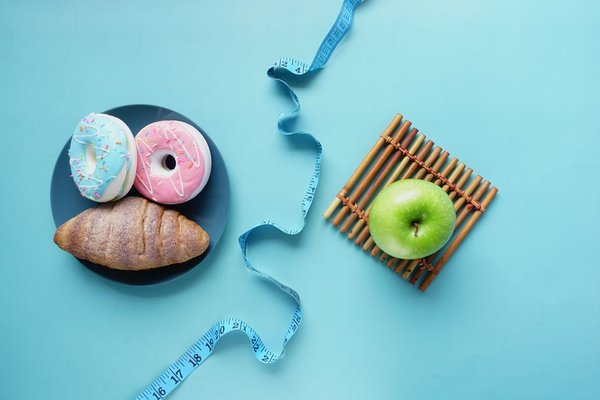
Healthy weight gain is less about eating as much as possible and more about making each meal work harder. The best high calorie healthy foods for weight gain combine energy with protein, healthy fats, fibre, vitamins or minerals, so a calorie surplus does not depend on sweets, fried food or sugary drinks.
If large meals feel uncomfortable, add calorie-dense foods to meals you already eat. Stir nut butter into oats, add avocado to eggs, or drizzle olive oil over vegetables. If you have lost weight unexpectedly or struggle with appetite for a long time, speak with a healthcare professional or dietitian.
20 Calorie-Dense Foods for Healthy Weight Gain
1. Avocado
Avocado adds calories without a huge serving size, mainly from monounsaturated fat. Mash it onto whole-grain toast, add it to sandwiches, or serve half alongside eggs. It also supplies fibre, potassium and folate.
2. Peanut Butter
Peanut butter is one of the easiest healthy bulking foods because a few spoonfuls add calories, protein and unsaturated fat. Spread it on toast, stir it into porridge, or blend it with milk and banana.
3. Almonds
Almonds pack energy into a small handful and provide protein, fibre, vitamin E and magnesium. Keep a portion nearby for snacks, or chop them over yogurt and cereal. Walnuts, cashews and pistachios work similarly.
4. Tahini
Made from sesame seeds, tahini is rich and easy to add to savoury meals. Mix it into hummus, drizzle it over roasted vegetables, or whisk it into a dressing. It contributes healthy fats, protein, calcium and iron.
5. Extra-Virgin Olive Oil
Olive oil raises meal calories without adding much food volume. Use it over pasta, rice, potatoes, soups or vegetables. Because oil is concentrated energy, even a modest drizzle can make a light meal more calorie dense.
6. Whole Milk
Whole milk provides carbohydrate, protein and fat in one drink, making it useful when solid food feels too filling. Drink it with meals, use it in porridge, or blend it into smoothies.
7. Greek Yogurt
Full-fat Greek yogurt offers protein plus extra calories from fat. Build a higher-energy bowl with fruit, oats, nuts and a spoonful of nut butter. It also works well in dips, dressings and breakfast parfaits.
8. Cheese
Cheese combines protein, fat and calcium in a compact serving. Add grated cheese to potatoes, pasta, eggs, beans or soups, or pair slices with whole-grain crackers. Portions are easy to adjust to your needs.
9. Eggs
Eggs are versatile, nutrient-dense and easy to combine with other calorie-rich ingredients. Cook them with a little olive oil, add cheese, or serve them with avocado and toast. They provide high-quality protein and choline.
10. Salmon
Salmon supplies protein and energy along with omega-3 fats. Serve it with rice, potatoes or pasta and add a sauce or olive-oil dressing. It is a useful option when nutrient dense weight gain is the goal.
11. Chicken Thighs
Chicken thighs are generally more calorie-rich than very lean chicken breast while still providing plenty of protein. Roast or grill them and serve with grains, vegetables and a dressing for a balanced, higher-energy meal.
12. Lean Beef
Lean beef provides protein, iron, zinc and vitamin B12. Pair it with potatoes, rice, beans or whole grains. Minced beef also works well in chilli, pasta sauces and stuffed vegetables.
13. Lentils
Lentils are an affordable plant-based source of carbohydrate, protein, fibre, iron and folate. Their calorie content rises easily when cooked with olive oil or coconut milk. Add them to curries, soups or rice dishes.
14. Chickpeas
Chickpeas offer carbohydrate, plant protein and fibre. Turn them into hummus with tahini and olive oil, roast them for snacks, or add them to couscous and salads. They are particularly useful for vegetarian meal planning.
15. Oats
Oats make a strong base for a high-calorie breakfast because they absorb calorie-rich additions well. Cook them with whole milk, then add banana, nuts, seeds and nut butter. Overnight oats are convenient for busy mornings.
16. Brown Rice
Brown rice supplies carbohydrate for energy along with fibre and minerals. Increase its calorie value by serving it with beans, eggs, salmon or chicken and adding olive oil, avocado or a sauce.
17. Whole-Grain Bread
Whole-grain bread turns small snacks into substantial mini-meals. Top it with peanut butter and banana, eggs and avocado, or cheese and tomato. Well-topped toast can be easier to manage than an oversized meal.
18. Sweet Potatoes
Sweet potatoes provide carbohydrate, fibre, potassium and carotenoids. Bake them and add olive oil, yogurt, tahini or cheese for extra calories. They work well beside fish or in plant-based bowls with beans.
19. Dried Fruit
Because much of the water has been removed, dried fruit is more calorie concentrated than fresh fruit. Raisins, dates, apricots and prunes mix easily with nuts, oats and yogurt. Keep portions sensible because they are naturally sugar-rich.
20. Homemade Smoothies
A homemade smoothie can combine several calorie dense foods in drinkable form. Blend whole milk or yogurt with banana, oats and peanut butter, then adjust the thickness to your appetite. This works especially well between meals.
How to Build a Practical Calorie Surplus
Instead of rebuilding your entire diet, upgrade meals you already enjoy. Breakfast might be oats cooked with whole milk, banana and peanut butter; lunch could be a chicken-and-avocado sandwich; and dinner could pair salmon with rice and olive-oil-dressed vegetables. A yogurt, nut and dried-fruit snack between meals adds another concentrated source of energy.
Useful related reading could include healthy calorie surplus meal planning, protein-rich breakfast ideas, and strength training for healthy weight gain. Increase intake gradually while keeping meals balanced, varied and comfortable to eat.
Frequently Asked Questions
What foods help you gain weight without relying on junk food?
Nuts, nut butters, avocado, olive oil, full-fat dairy, eggs, oily fish, whole grains, legumes and homemade smoothies are strong choices because they provide calories alongside useful nutrients.
How often should I eat when trying to gain weight?
If large meals are difficult, smaller meals and snacks more frequently can help. A planned snack between meals may be easier than dramatically increasing every portion at once.
Are smoothies good for healthy weight gain?
Yes. Smoothies can be useful when they contain nutrient-rich ingredients such as milk or yogurt, fruit, oats and nut butter. They are generally more useful than drinks that provide mostly added sugar.
How quickly should I try to gain weight?
A gradual approach is usually easier to sustain than rapid weight gain. Your ideal pace and calorie needs depend on your current weight, activity, health and goals, so personalised advice can be helpful.
Conclusion
Healthy weight gain becomes easier when you focus on foods that deliver more energy in realistic portions. Nuts, oils, dairy, eggs, fish, grains, legumes and smoothies can help build a consistent calorie surplus while supporting a balanced diet. Add a few to meals you already enjoy, monitor your progress, and adjust gradually.