
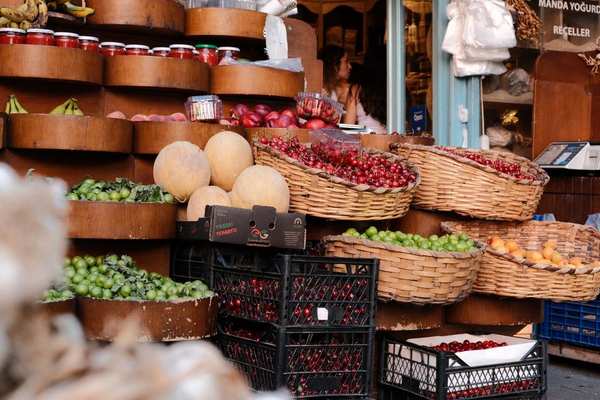
A Mediterranean diet grocery list should make healthy eating easier, not turn every shop into a search for expensive specialty foods. The pattern is built around familiar ingredients: vegetables, fruit, whole grains, beans, lentils, nuts, seeds, olive oil, fish and modest amounts of dairy, eggs and poultry.
The smartest approach is to buy foods that can work across several meals. A bag of spinach can go into eggs, grain bowls, soups and pasta; canned chickpeas can become a salad, dip or quick dinner. Use the categories below to create a healthy grocery list that fits your household rather than purchasing every item at once.
Vegetables: make these the foundation
Choose a mix of fresh, frozen and canned vegetables so you have options throughout the week. Fresh tomatoes, cucumbers, bell peppers, leafy greens, onions, garlic, broccoli, cauliflower, zucchini, eggplant, carrots, mushrooms and green beans are versatile starting points. Frozen spinach, peas, artichoke hearts and mixed vegetables reduce prep time when fresh produce runs out.
For canned vegetables, look for lower-sodium or no-salt-added options when available. Draining and rinsing can reduce some sodium. Roasted vegetables can be cooked in a batch and used in wraps, salads, omelets and grain bowls.
Fruit for snacks, breakfasts and desserts
Apples, oranges, grapes, berries, pears, peaches, melon and bananas all fit comfortably into a Mediterranean-style pattern. Buy what is seasonal, affordable and likely to be eaten. Frozen berries are convenient for oatmeal, yogurt and smoothies, while dried fruit such as dates, figs or apricots can add sweetness in small portions.
Pair an apple with walnuts, add berries to plain yogurt, or serve sliced oranges after dinner. Whole fruit generally provides more fiber and fullness than juice.
Whole grains and filling carbohydrates
Mediterranean pantry staples often include oats, barley, bulgur, farro, brown rice, quinoa, whole-wheat couscous, whole-grain bread and whole-wheat pasta. Potatoes and sweet potatoes also work well, especially when roasted, boiled or added to vegetable-rich meals.
Check ingredient labels rather than relying on brown packaging. You do not need to replace every refined grain overnight. Start with the foods you eat most often, such as breakfast cereal, sandwich bread or pasta.
Beans, lentils and plant-based proteins
Beans and lentils are central to a Mediterranean diet shopping list because they are affordable, filling and easy to store. Stock chickpeas, cannellini beans, black beans, kidney beans, lentils and split peas in canned or dried form. Canned beans suit fast meals; dried legumes usually cost less but require more planning.
Use chickpeas in salads, blend white beans into soups, add lentils to tomato sauce, or combine beans with whole grains and vegetables. Hummus can be convenient, although comparing sodium levels and ingredient lists helps you choose a simpler option.
Fish, seafood, poultry and eggs
Fish and seafood are common protein choices in Mediterranean-style eating. Salmon, sardines, trout, tuna, mackerel, shrimp and white fish can all be useful, depending on taste and budget. Frozen fillets and canned fish often cost less than fresh seafood and keep much longer.
Eggs and skinless poultry provide additional flexibility. Use chicken or turkey in smaller portions alongside vegetables, beans and whole grains rather than making meat the entire meal. Red and processed meats are generally eaten less often in this pattern.
Dairy and dairy alternatives
Plain yogurt, Greek yogurt, milk and modest amounts of cheese can be included. Feta and Parmesan make it easier to use a smaller amount while still adding flavor. Choose unsweetened products when possible, since flavored yogurts can contain substantial added sugar.
Unsweetened fortified dairy alternatives may also fit, but their protein and nutrient content varies. Check labels for added sugars, calcium, vitamin D and protein.
Healthy fats, nuts and seeds
Extra-virgin olive oil works for dressings, sauteing and finishing dishes. You do not need multiple premium bottles; one fresh oil stored away from heat and light is enough. Olives, avocados, tahini, almonds, walnuts, pistachios, pumpkin seeds, sunflower seeds and chia seeds provide additional unsaturated fats.
Nuts and oils are nutritious but energy-dense, so portions still matter if weight management is a goal. Buying unsalted nuts and dividing them into small containers can make serving sizes easier to manage.
Flavor builders for simple meals
Garlic, onions, lemons, vinegar, herbs and spices turn basic ingredients into meals you will want to repeat. Useful choices include parsley, basil, oregano, rosemary, thyme, dill, mint, cumin, paprika and black pepper. Keep canned tomatoes, tomato paste, capers and low-sodium broth for soups, stews and sauces.
A simple meal can be built from whole-wheat pasta, canned tomatoes, spinach, white beans, garlic and olive oil. Another option is brown rice topped with roasted vegetables, chickpeas, yogurt and lemon. These combinations are more practical than collecting ingredients for seven unrelated recipes.
A realistic one-week starter shop
For one or two people, begin with several vegetables, three fruits, one leafy green, two whole grains, two types of beans, eggs, one fish option, plain yogurt, olive oil, nuts and herbs. For example, buy tomatoes, cucumbers, peppers, broccoli, onions, spinach, apples, oranges and frozen berries; then add oats, brown rice, chickpeas, lentils, eggs, canned salmon, yogurt, walnuts and lemons.
That basket can produce oatmeal with berries, yogurt and fruit, lentil soup, chickpea salad, salmon with rice and broccoli, vegetable eggs, and a spinach-and-bean grain bowl. A Mediterranean meal plan can turn the ingredients into a weekly schedule, while healthy meal prep ideas can reduce weekday cooking.
How to shop economically
Plan around seasonal produce, store-brand whole grains, canned beans and frozen vegetables. Compare unit prices, but avoid bulk packages that may spoil. Check your freezer and pantry before shopping so you do not buy another can of chickpeas while forgetting olive oil.
Read Nutrition Facts labels and compare sodium, added sugars and saturated fat. Mediterranean on the front of a package is marketing, not proof that the product matches the overall eating pattern.
Frequently asked questions
What foods should be limited?
No single food must be banned, but sugary drinks, highly processed snacks, refined carbohydrates, processed meats and foods high in saturated fat are generally limited. The overall pattern matters more than occasional choices.
Can I follow the Mediterranean diet without fish?
Yes. Beans, lentils, tofu, nuts, seeds, eggs and dairy can provide protein, depending on your preferences. People avoiding several food groups may benefit from advice from a registered dietitian.
Are frozen and canned foods acceptable?
Yes. Frozen vegetables and fruit can be convenient and nutritious. Choose canned vegetables and beans with less sodium when possible, and fruit packed in water or its own juice rather than heavy syrup.
Do I need to buy wine?
No. Alcohol is not required, and people who do not drink should not start for health reasons. Water, sparkling water, unsweetened tea and coffee are suitable everyday choices.
Build a list you will actually use
The best Mediterranean diet grocery list is not the longest one. It is a repeatable collection of vegetables, fruit, whole grains, legumes, healthy fats and flexible proteins that can become several meals before the next shop. Start with familiar foods, add one or two new ingredients at a time, and keep convenient frozen and canned options available. That creates a practical way of eating rather than a short-lived pantry makeover.