
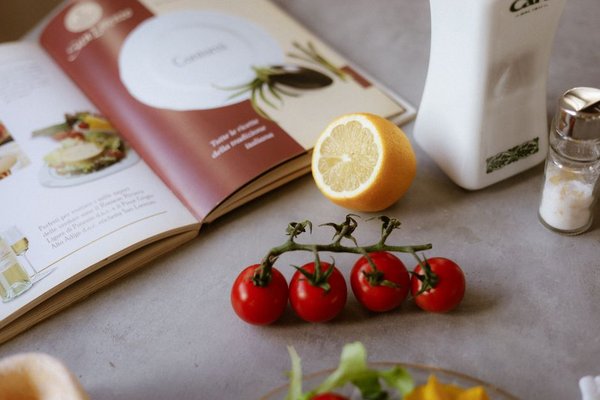
The Mediterranean diet remains the top-rated overall eating pattern in the 2026 expert rankings, but its real advantage is not a trophy or a strict set of rules. It is flexible, flavourful and built around foods that are easy to recognise: vegetables, fruit, beans, whole grains, nuts, olive oil, fish and modest amounts of dairy, eggs and poultry. That makes it especially practical for anyone who wants a healthier routine without counting every calorie or removing entire food groups.
This Mediterranean diet meal plan for beginners is designed as a gentle starting point rather than a perfect prescription. Portions should match your appetite, body size and activity level. Water is the main drink, while herbs, lemon, garlic and spices add flavour without relying heavily on salt. People with diabetes, kidney disease, food allergies, pregnancy-related needs or another medical condition should personalise the plan with a qualified healthcare professional.
How to approach your first Mediterranean week
A Mediterranean diet plan works best when you focus on the overall pattern. Aim to fill roughly half your main plate with vegetables, add a satisfying portion of beans, fish, eggs or poultry, choose a whole-grain carbohydrate, and use olive oil, nuts or seeds in sensible amounts. Red and processed meats, sugary drinks, sweets and highly processed snacks are occasional foods rather than everyday staples.
Before the week begins, cook a pot of brown rice or quinoa, wash salad vegetables, prepare a simple olive-oil-and-lemon dressing, and keep canned chickpeas, lentils, tuna or sardines available. This short preparation step turns several meals below into quick assemblies. A useful real-world example is to roast a large tray of peppers, courgettes, onions and tomatoes on Sunday, then use them in Monday’s lunch, Wednesday’s dinner and Saturday’s grain bowl.
Your Mediterranean diet meal plan for beginners
Day 1: Start with familiar foods
Breakfast: Plain Greek yoghurt topped with oats, berries and a small handful of walnuts. Lunch: Whole-grain toast with mashed chickpeas, tomato, cucumber and a drizzle of olive oil, served with fruit. Dinner: Baked salmon, brown rice and roasted vegetables. For a snack, choose an apple or a few unsalted nuts. The goal is not to make every meal feel “Mediterranean”; it is to begin replacing refined grains and processed meats with whole foods.
Day 2: Build a satisfying plant-based lunch
Breakfast: Porridge cooked with milk or an unsweetened fortified alternative, topped with sliced banana and cinnamon. Lunch: Lentil soup with a side salad and whole-grain bread. Dinner: Chicken breast or thigh seasoned with garlic, paprika and lemon, served with potatoes and green beans. Snack on carrots with hummus if hungry. This day shows how legumes can make lunch filling without requiring meat.
Day 3: Use leftovers intelligently
Breakfast: Whole-grain toast with avocado and a boiled egg. Lunch: Leftover chicken sliced over mixed leaves, roasted vegetables and brown rice, dressed with olive oil and lemon. Dinner: Whole-wheat pasta with tomatoes, spinach, cannellini beans and a modest sprinkle of cheese. Finish with fruit. Reusing ingredients prevents the 7 day meal plan from becoming expensive or time-consuming.
Day 4: Make fish convenient
Breakfast: Greek yoghurt with chopped pear, pumpkin seeds and a spoonful of oats. Lunch: Tuna and white bean salad with tomatoes, cucumber, parsley and whole-grain crackers. Dinner: A vegetable omelette with mushrooms, peppers and spinach, served with a simple salad and whole-grain bread. Canned fish is a practical option for Mediterranean diet beginners because it is affordable, shelf-stable and ready to use; choose varieties packed in water or olive oil and check the salt level.
Day 5: Let vegetables lead the meal
Breakfast: Overnight oats with yoghurt, grated apple and cinnamon. Lunch: Hummus and roasted vegetable wrap made with a whole-grain tortilla, plus a piece of fruit. Dinner: Chickpea and vegetable stew with tomatoes, aubergine, onions and herbs, served over quinoa or brown rice. Add plain yoghurt if you enjoy it. For more variety later, use healthy breakfast ideas and easy chickpea recipes as natural next-step guides within your meal-planning routine.
Day 6: Keep the weekend flexible
Breakfast: Scrambled eggs with tomatoes and spinach, accompanied by whole-grain toast. Lunch: A grain bowl made with leftover quinoa or rice, roasted vegetables, chickpeas, leafy greens and lemon dressing. Dinner: Grilled or baked white fish with a tomato-and-herb sauce, potatoes and broccoli. If eating out, look for grilled fish or chicken, vegetables, beans and whole grains, and ask for sauces or dressings on the side.
Day 7: Create a repeatable favourite
Breakfast: Yoghurt with fruit, nuts and seeds. Lunch: Tomato and lentil soup with whole-grain bread. Dinner: Mediterranean-style chicken tray bake with tomatoes, peppers, onions, olives and potatoes. Use olive oil lightly and serve with a green salad. Review the week and choose two breakfasts, two lunches and two dinners you would happily repeat. Learning how to cook whole grains in batches can make those favourites even easier next week.
Simple swaps that make the plan sustainable
You do not need specialty products. Swap salmon for sardines, trout or another available fish; quinoa for brown rice or whole-grain couscous; fresh berries for frozen fruit; and homemade beans for low-salt canned versions. Vegetarians can replace fish and chicken with lentils, beans, tofu or additional eggs and yoghurt. Olive oil is central to the pattern, but it is still energy-dense, so use enough for flavour rather than pouring it freely.
Wine is not required. People who do not drink should not start for health reasons, and anyone who does drink should follow local medical guidance. Likewise, the Mediterranean diet for beginners is not automatically a weight-loss diet. Weight change depends on overall energy intake, portions, activity and individual needs, even when food quality improves.
Frequently asked questions
Can I drink coffee on the Mediterranean diet?
Yes. Unsweetened or lightly sweetened coffee can fit. Pay attention to syrups, whipped toppings and large amounts of cream, which can turn a simple drink into a high-sugar extra.
Do I have to eat fish every day?
No. Fish is commonly included a few times a week, while beans, lentils, eggs and poultry provide variety on other days. Choose a pattern that fits your budget, preferences and local availability.
Is bread allowed?
Yes. Whole-grain bread is a useful source of fibre and can accompany soups, salads and eggs. Portion size and what you put on it matter more than avoiding bread altogether.
What should I do after the first week?
Repeat the meals you enjoyed, change one or two ingredients, and add new recipes gradually. Consistency matters more than novelty. A small collection of dependable breakfasts, lunches and dinners is often the easiest route to long-term success.
A realistic beginning, not a seven-day challenge
This week is best viewed as a template for everyday eating, not a temporary reset. The strongest Mediterranean habits are simple: eat more plants, choose minimally processed foods, favour unsaturated fats, include fish and legumes regularly, and make meals enjoyable enough to repeat. Start with the dishes that suit your life, keep preparation practical and allow the pattern to become more natural with each week.