
Weight-loss medications that act on GLP-1 pathways can make eating feel easier, but they can also change the way hydration fits into your day. A smaller appetite may mean fewer meals, less fluid from food and fewer reminders to drink. Nausea, vomiting or diarrhoea can increase fluid loss, while constipation may worsen when intake drops. That is why hydration and electrolytes on weight-loss medication need a practical plan rather than a vague instruction to “drink more water.”
The key is to separate everyday hydration from symptom-related rehydration. Most days, plain water and fluid-rich foods may be enough. Electrolyte drinks become more relevant when you are losing fluids, sweating heavily or struggling to eat and drink normally.
Why GLP-1 Medication Can Change Hydration Needs
Medicines such as semaglutide and tirzepatide commonly cause gastrointestinal side effects, especially when treatment starts or the dose increases. Nausea may make a large glass of water unappealing. Vomiting and diarrhoea can remove both fluid and electrolytes, including sodium and potassium. Official prescribing information also warns that dehydration linked to gastrointestinal side effects can contribute to kidney problems in some patients.
Reduced food intake matters too. Yoghurt, soup, fruit, vegetables and cooked grains all contribute fluid. When portions become much smaller, that background source can quietly disappear. This may help explain headaches, fatigue, dizziness or unusually dark urine even when someone believes they are drinking about the same as before.
Build a Routine Around a Smaller Appetite
Start before thirst becomes intense
Keep a drink visible and take regular small sips instead of waiting until you feel very thirsty. Many people tolerate fluids better between meals, particularly when fullness or reflux is an issue. A simple routine might include a few sips after waking, steady drinking through the morning and afternoon, and avoiding a large catch-up drink at night.
Use urine colour as a practical check
There is no single fluid target that suits every body, climate and medical condition. Urine that is generally pale yellow is a useful everyday sign. Dark, strongly scented urine, urinating less than usual, light-headedness, dry mouth and persistent tiredness can suggest that intake is not keeping pace with losses.
Make fluids easier to tolerate
If plain water feels unpleasant, try it chilled, at room temperature or lightly flavoured with lemon, cucumber or mint. Herbal tea, broth and milk can also contribute. Carbonated drinks may worsen burping or bloating, while very sweet drinks may aggravate diarrhoea. The best hydration tips are the ones you can repeat without creating more stomach discomfort.
When Electrolyte Drinks Are Useful
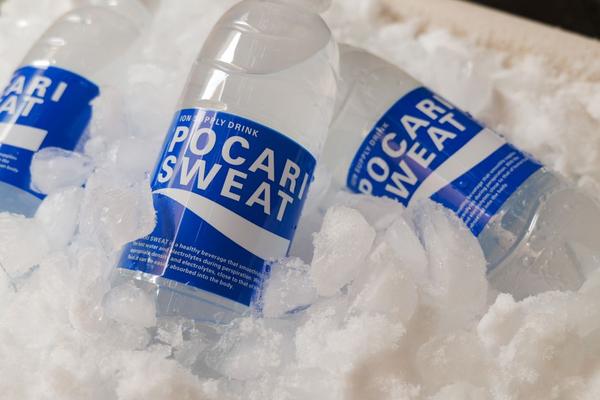
Electrolytes help regulate fluid balance, nerves and muscles, but routine supplementation is not automatically necessary. On a normal day with no vomiting, diarrhoea or heavy sweating, meals and ordinary drinks often provide enough. An electrolyte drink may be useful after repeated vomiting, frequent loose stools, prolonged exercise, significant heat exposure or a day when nausea has sharply reduced food and fluid intake.
Imagine that a dose increase leaves you nauseated and you manage only a few bites of food. By afternoon, your urine is dark and you feel dizzy when standing. Instead of quickly drinking a large bottle, take small frequent sips. A pharmacist-recommended oral rehydration solution may be more appropriate than a high-sugar energy drink because it is designed to replace water and salts in balanced amounts.
Check labels before making electrolyte drinks a daily habit. Some contain substantial sugar, sodium, caffeine or added vitamins. Concentrated powders can also be mixed incorrectly. People with kidney disease, heart failure, high blood pressure or instructions to restrict fluid, sodium or potassium should ask a clinician before using these products regularly.
A Plan for Dose-Change Days
Side effects often need extra attention when medication is started or increased. Keep water within reach, choose bland fluid-rich foods and have an oral rehydration option available if your clinician or pharmacist considers it suitable. Sip slowly, especially when nauseated. Pair fluids with small meals or snacks containing protein and carbohydrate when tolerated.
A manageable day might include water in small amounts, yoghurt or porridge, soup at lunch and fruit such as melon or orange. If symptoms stay mild, plain water may be enough. If vomiting or diarrhoea develops, the priority shifts to replacing losses and contacting your prescriber if symptoms persist or become severe.
Natural internal reading opportunities include managing nausea on GLP-1 medication, high-protein foods for a small appetite and constipation relief while using weight-loss medication.
Mistakes That Can Make Symptoms Worse
Trying to drink a full day’s fluid in one or two large amounts can increase fullness and nausea. Relying heavily on coffee may also be unhelpful if it replaces water or worsens stomach symptoms. Another mistake is assuming dizziness always means low electrolytes. It can also be linked to dehydration, low blood pressure, low blood sugar in people using certain diabetes medicines, or another medical issue.
Do not change, delay or stop prescribed medication solely because hydration feels difficult without speaking to the prescribing team. They may need to review the dose, escalation schedule, other medicines or the severity of side effects.
When to Seek Medical Advice
Contact a healthcare professional promptly if you cannot keep fluids down, vomiting continues, diarrhoea is frequent, urine output drops significantly, or dizziness does not settle after drinking. Seek urgent help for confusion, fainting, severe weakness, severe or persistent abdominal pain, blood in vomit or stool, or clear signs of significant dehydration. People with kidney disease, diabetes, heart conditions, pregnancy or medicines that affect fluid balance should seek advice earlier.
Frequently Asked Questions
Do I need electrolytes every day on a GLP-1 medication?
Usually not. If you are eating a balanced diet, drinking normally and not losing fluid through vomiting, diarrhoea or heavy sweating, plain water and food may cover your needs. Discuss daily electrolyte products with a clinician if you have kidney, heart or blood pressure concerns.
Can electrolyte drinks help with GLP-1 headaches?
They may help when a headache is related to dehydration or fluid loss, but headaches have many causes. Check your fluid intake, urine colour, food intake and other symptoms. Seek advice if headaches are severe, frequent or accompanied by neurological symptoms.
What should I drink when nausea makes water difficult?
Try small sips of chilled or room-temperature water, diluted sugar-free flavouring, herbal tea or broth. If vomiting or diarrhoea is causing losses, ask a pharmacist or clinician about an oral rehydration solution.
How quickly should I drink after vomiting?
Avoid forcing a large volume immediately. Begin with small, frequent sips and gradually increase as tolerated. If you continue vomiting or cannot keep fluids down, contact a healthcare professional promptly.
A Steady Plan Is Better Than a Trend
Hydration on weight-loss medication is not about buying the most elaborate electrolyte product. It is about noticing how appetite, side effects, weather, activity and medical conditions change your needs. Keep fluids accessible, sip regularly, use urine colour and symptoms as feedback, and reserve electrolyte drinks for situations where fluid and salt losses make them useful. A simple routine, adjusted with your healthcare team, can reduce avoidable fatigue, headaches and dizziness while supporting safer treatment.