
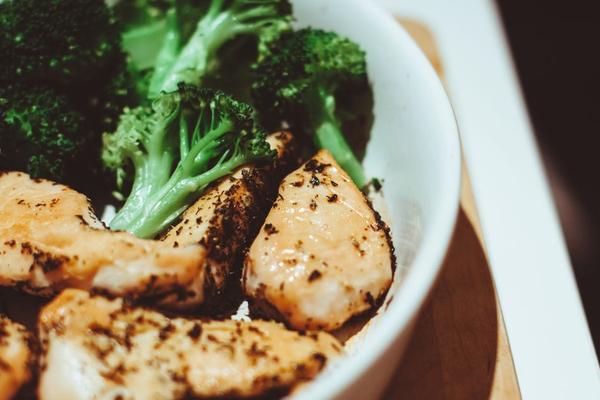
A smaller appetite can make ordinary meals feel surprisingly large. That may happen during illness, stress, ageing, or while using medicines that reduce hunger, including GLP-1 treatments. The challenge is not simply eating less; it is making the food you can manage work harder. Protein deserves particular attention because it supports muscle, strength, and recovery. When portions shrink, choosing high protein foods for a smaller appetite can provide meaningful nutrition without forcing down a full plate.
Why protein matters when appetite is low
Weight loss often includes some loss of lean tissue as well as body fat. The risk becomes more important when total food intake drops sharply, protein intake becomes inconsistent, or strength-building activity disappears from the routine. That is why appetite loss nutrition should focus on nutrient density rather than simply counting how little you eat.
Protein is one part of the solution, not the whole solution. Fluids, fruits and vegetables, fibre, healthy fats, vitamins, and minerals still matter. Resistance exercise also gives the body a reason to keep muscle. However, placing a protein-rich food at the centre of each meal or snack is a practical starting point when you cannot comfortably eat much.
Choose protein that delivers more in less volume
The best options are foods you enjoy, tolerate well, and can eat in modest amounts. Soft textures and foods requiring little preparation are often easier when hunger is limited.
Greek yogurt and skyr
Thick strained yogurt provides substantial protein in a compact serving and requires no cooking. Choose plain or lightly sweetened varieties, then add berries, soft fruit, or a spoonful of nut butter if you need extra energy. It also works as a savoury base with herbs or cucumber. For people who find meat unappealing, yogurt can be one of the simplest protein small portions choices.
Cottage cheese and other soft cheeses
Cottage cheese is easy to eat slowly and pairs with sweet or savoury foods. A small bowl with fruit, tomatoes, crackers, or mashed avocado can become a mini-meal. Ricotta and quark are also useful, although protein content varies, so check the label when protein is your priority.
Eggs
Eggs are versatile, familiar, and naturally portion-controlled. One or two scrambled, poached, or boiled eggs may feel more manageable than a large serving of meat. Add grated cheese, smoked salmon, or cottage cheese to scrambled eggs when you want more protein without greatly increasing the meal size.
Fish and seafood
Tuna, salmon, prawns, sardines, and white fish offer high-quality protein in relatively small servings. Tinned fish is convenient and can be mixed with yogurt or a little mayonnaise for a softer texture. Oily fish also supplies omega-3 fats. If strong smells reduce your appetite, try chilled fish or a mild tuna filling rather than a hot seafood meal.
Lean poultry and tender meat
A few slices of chicken or turkey can add protein without creating an oversized plate. Moist options such as shredded chicken in soup, minced turkey in sauce, or slow-cooked meat may be easier than a dry grilled portion. Red and processed meats are best kept moderate rather than used as the main daily strategy.
Tofu, tempeh, edamame, and pulses
Plant-based muscle preserving foods can fit a reduced appetite, but portion volume differs. Tofu and tempeh are more concentrated than a large bowl of beans, while shelled edamame makes a useful snack or topping. Lentil soup, hummus, and smooth bean dips can work well when chewing feels tiring. Eating varied plant proteins across the day helps provide a broad range of amino acids.
Protein shakes and fortified drinks
A shake can help when solid food is difficult, but it should support the diet rather than automatically replace every meal. Look for a product with a useful amount of protein and limited added sugar, and choose a size you can finish comfortably. You can also blend milk or fortified plant milk with Greek yogurt, fruit, or nut butter for a more balanced option.
Nut and seed butters
Peanut, almond, and seed butters provide some protein along with energy-dense fats. A spoonful stirred into yogurt, porridge, or a smoothie adds nutrition with very little volume. They are not as protein-dense as fish, dairy, eggs, or soy foods, so treat them as a booster rather than the only protein source.
How to eat enough protein without forcing large meals
Start with the protein food while your appetite is strongest. If you fill up after a few bites, you will have eaten the part of the meal most closely connected with muscle maintenance. Serve food on a small plate or in a bowl so the portion feels approachable rather than overwhelming.
Try three mini-meals and two or three snacks instead of relying on breakfast, lunch, and dinner. A boiled egg, a small yogurt, half a tuna sandwich, or a few cubes of tofu may be easier than one large serving. Spreading protein across the day gives you repeated opportunities to meet your needs.
Keep convenient options ready. Cooked eggs, yogurt pots, cottage cheese, tinned fish, sliced chicken, edamame, and single-serve shakes reduce the effort required when appetite is low. If cooking smells trigger nausea, choose cold foods or prepare meals when you feel better.
Protein targets should be personalised
There is no single protein number that suits everyone. Needs vary with body size, age, activity, health conditions, weight-loss rate, and medical treatment. People using GLP-1 medicines are often advised to prioritise protein, but an appropriate target should be agreed with a doctor or registered dietitian, especially if you have kidney disease, liver disease, swallowing difficulties, or a history of disordered eating.
Seek medical advice if you cannot keep fluids down, have persistent vomiting, feel unusually weak or dizzy, or are losing weight much faster than expected. A consistently tiny intake may require a medication review or structured nutrition plan rather than more willpower.
Frequently asked questions
What is the easiest high-protein food to eat with a small appetite?
Greek yogurt, skyr, eggs, cottage cheese, tinned fish, tofu, and protein drinks are often manageable because they are compact and require little preparation. Choose one you tolerate and eat consistently.
Should I drink a protein shake instead of a meal?
Occasionally, a shake may be useful when solid food is difficult. A varied meal is usually more nutritionally complete, so use shakes as a practical supplement and include whole foods whenever possible.
Can protein alone prevent muscle loss?
No. Protein supports muscle maintenance, but strength or resistance exercise provides an important signal to preserve muscle. Sleep, overall energy intake, and management of medical conditions also matter.
What should I eat first when I get full quickly?
Begin with the protein component, then eat vegetables, fruit, whole grains, or other foods as comfortable. This increases the chance that a small meal still supplies meaningful protein.
Making small portions count
A reduced appetite does not have to mean poor nutrition, but it requires a more deliberate approach. Build meals around compact protein foods, eat small amounts more often, and choose textures that feel easy. With the right high protein foods for a smaller appetite, even modest portions can support strength, recovery, and muscle health without turning every meal into a struggle.