
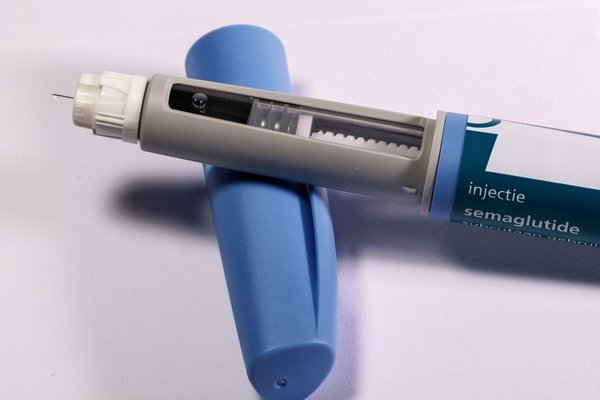
GLP-1 medications have moved from specialist conversations into everyday discussions about weight, appetite and long-term health. For people taking semaglutide, tirzepatide or another prescribed medicine in this group, meals that once felt normal may suddenly seem too large, rich or unappealing. Knowing what to eat on GLP-1 medication can help you stay nourished while your appetite is reduced, rather than simply trying to eat as little as possible.
A supportive GLP-1 diet is not a crash diet or a list of forbidden foods. The aim is to make each smaller meal work harder by supplying protein, fibre, fluids, vitamins and steady energy. These medicines should be used exactly as prescribed and, when prescribed for weight management, alongside appropriate dietary and activity support.
Build Smaller Meals Around Protein
When you lose weight, some of the loss can come from muscle as well as body fat. Eating enough protein, together with suitable strength-based activity, helps support muscle mass, strength and day-to-day energy.
Start meals with a modest portion of protein, especially when you become full quickly. Useful options include eggs, fish, chicken, Greek yoghurt, cottage cheese, tofu, beans, lentils and chickpeas. Breakfast might be yoghurt with berries, lunch could be lentil soup with wholegrain toast, and dinner could be salmon with vegetables and potatoes.
There is no single protein target for everyone. Needs vary with body size, age, activity and health conditions. People with kidney disease should seek personalised advice before substantially increasing protein. A dietitian can also help if reduced appetite makes it difficult to meet your needs through food.
Choose Fibre, but Increase It Gradually
Constipation is a common concern when eating on Ozempic or similar medicines because digestion slows and people may eat and drink less. Fibre supports bowel health, but adding a large amount overnight can worsen bloating. Increase it gradually and drink enough fluid alongside it.
Good choices include vegetables, fruit, oats, wholegrain bread, brown rice, beans, lentils, chickpeas, chia seeds and flaxseeds. Add one fibre-rich food at a time. Porridge with berries, bean soup or brown rice with vegetables may be easier to tolerate than an oversized raw salad.
If constipation persists, becomes painful or is accompanied by vomiting or a swollen abdomen, contact your healthcare team rather than relying on restrictive food rules or unprescribed remedies.
Keep Carbohydrates for Steady Energy
Carbohydrates do not need to disappear from nutrition for weight loss medication. In sensible portions, they provide energy and make meals more satisfying. Choose mostly higher-fibre sources such as oats, wholegrain bread, potatoes with their skins, brown rice, quinoa and wholewheat pasta.
Pair carbohydrate with protein and vegetables. Try scrambled eggs with wholegrain toast and tomatoes, or chicken with a small baked potato and greens. If nausea is strong, plain rice, toast, crackers, porridge or mashed potato may temporarily be easier to manage.
Drink Regularly, Even When You Are Not Hungry
Reduced appetite can also reduce the urge to drink. Yet nausea, vomiting or diarrhoea can increase fluid loss and the risk of dehydration. Sip water regularly rather than trying to drink a large amount with meals. Water, unsweetened tea, herbal tea and low-calorie drinks are practical options.
Some NHS weight-management resources suggest around two litres of fluid a day, but individual needs differ. Ask your clinician for advice if you have heart failure, kidney disease or another condition requiring fluid restriction. Dark urine, dizziness, an inability to keep fluids down or repeated vomiting are reasons to seek medical advice promptly.
Adjust Food Choices When Side Effects Flare
For nausea and heartburn
Smaller meals are often better tolerated than one large plate. Eat slowly, stop when comfortably satisfied and avoid lying down soon after eating. Plain or cool foods may feel easier, including yoghurt, eggs, toast, rice, banana, cucumber or soft-cooked vegetables. Very fatty, fried, spicy or strongly scented meals can worsen symptoms for some people.
For diarrhoea
Prioritise fluids and choose small, simple meals. Continue eating rather than fasting for long periods, but keep portions gentle until symptoms settle. Contact your prescriber if diarrhoea is severe, persistent or making it difficult to stay hydrated.
For low appetite
Do not assume skipping meals will improve results. Two or three small, balanced meals may be more realistic than a traditional schedule. Keep convenient foods available, such as yoghurt, boiled eggs, tinned tuna, frozen vegetables, lentil soup or pre-cooked chicken. If you are consistently unable to eat enough, ask for professional support.
Foods to Limit Rather Than Ban
A practical GLP-1 diet leaves room for preference, but some foods provide little nutrition or are harder to tolerate. Sugary drinks, heavy takeaway meals, deep-fried foods, oversized desserts and frequent alcohol can crowd out protein, fibre and micronutrients. Alcohol may also worsen nausea or affect blood glucose, depending on your treatment.
This does not mean every meal must be perfect. Focus on patterns: mostly nutrient-dense foods, smaller portions and fewer foods that trigger symptoms. Restrictive rules can make an already small appetite harder to manage.
Use a Simple Balanced-Plate Approach
When tolerated, aim for roughly half a small plate of vegetables or salad, one quarter protein and one quarter starchy carbohydrate. Add a little healthy fat from olive oil, avocado, nuts or seeds. On days when appetite is poor, prioritise protein, then add vegetables or fruit and a small carbohydrate portion as comfortable.
Variety still matters. Eating the same few “safe” foods for weeks can leave nutritional gaps. A food-first approach is generally preferable, while a clinician or dietitian can advise whether a multivitamin, vitamin D or another supplement is appropriate.
Frequently Asked Questions
What should I eat first on GLP-1 medication?
Start with protein such as eggs, fish, chicken, yoghurt, tofu or beans. Add vegetables or fruit and a modest portion of higher-fibre carbohydrate according to your appetite and tolerance.
Can I eat normally while taking Ozempic?
You can eat a varied, balanced diet, but you may need smaller portions and slower meals. Eating on Ozempic often becomes easier when you limit very fatty meals, stop when full and adjust food texture during nausea.
What foods are best when a GLP-1 medicine causes nausea?
Try small portions of bland foods such as dry toast, crackers, plain rice, porridge, eggs, yoghurt, banana or soft-cooked vegetables. Sip fluids regularly. Contact your healthcare team if vomiting is frequent or you cannot keep fluids down.
Are there foods I must completely avoid?
There is no universal banned-food list. However, fried foods, large high-fat meals, excess alcohol and sugary drinks may worsen symptoms or reduce diet quality. Your own triggers and medical needs should guide adjustments.
A Nourishing Approach Works Better Than Eating Less
The best answer to what to eat on GLP-1 medication is not a rigid menu. It is a flexible pattern built around protein, fibre-rich plants, sensible carbohydrates, regular fluids and portions that respect your changing appetite. Keep your prescriber informed about persistent side effects, and seek urgent medical help for severe, ongoing abdominal pain that may spread to the back, especially with nausea or vomiting. With thoughtful choices and professional support, reduced appetite can become an opportunity to improve nutrition rather than a reason to neglect it.