
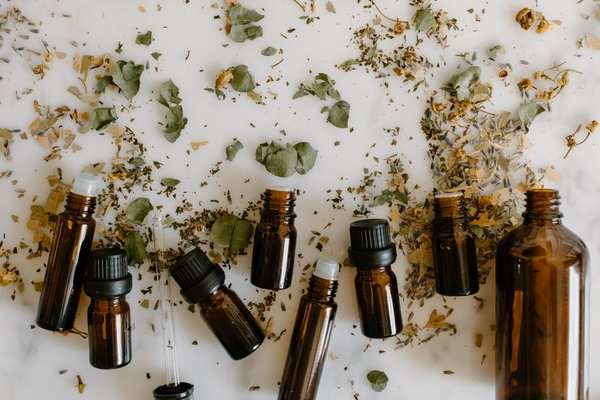
Natural remedies for anxiety relief can help when worry shows up as a racing mind, tense muscles, shallow breathing, or trouble settling down at night. The most useful options are usually not dramatic “cures,” but repeatable habits that calm the body, reduce common triggers, and make anxious thoughts easier to manage. Research supports several mind-body and lifestyle approaches, while evidence for herbs and supplements is more mixed.
Occasional anxiety is a normal response to stress, but persistent anxiety that interferes with work, sleep, relationships, or daily routines may be an anxiety disorder. Natural approaches can complement professional care, but they should not be treated as a guaranteed replacement for psychotherapy or prescribed medication when those are needed.
Use slow breathing to interrupt the stress response
When anxiety rises, breathing often becomes faster and shallower. Deliberately slowing it can give your body a simple physical cue to settle. Breathing exercises for anxiety are useful because they require no equipment and can be practiced before a stressful event, during a surge of worry, or as part of a bedtime routine.
A practical five-minute breathing reset
Sit comfortably with your feet supported. Let your breath move into your belly without forcing it. Breathe in gently through your nose while counting slowly, then breathe out just as gently. Keep the pace comfortable rather than trying to take the biggest breath possible. Continue for three to five minutes.
For example, if you tend to feel anxious before opening work email in the morning, do this exercise before touching your phone or laptop. Pairing the practice with a predictable trigger makes it easier to build a habit instead of remembering it only after anxiety is already intense.
Move your body regularly
Regular physical activity can reduce tension, improve sleep, and support stress regulation. Walking, cycling, swimming, strength training, yoga, or another activity you can repeat consistently is more useful than an occasional exhausting session.
If anxiety makes exercise feel overwhelming, shrink the goal. A ten-minute walk after lunch can be a better starting point than promising yourself an hour at the gym. The aim is to create a reliable outlet for physical stress and gradually build a routine that supports both mood and general health.
Protect sleep and watch your caffeine intake
Anxiety and poor sleep can reinforce each other. Worry makes it harder to fall asleep, while inadequate sleep can leave you more reactive the next day. A steady wake time, a quieter wind-down period, and a dark, comfortable bedroom can help over time.
Caffeine deserves attention too. Coffee, tea, cola, energy drinks, and some pre-workout products can worsen jitteriness, a racing heartbeat, and sleep problems in sensitive people. If you suspect caffeine is amplifying anxiety, reduce it gradually rather than stopping abruptly, especially if you consume a lot each day.
Regular meals can also prevent hunger, shakiness, or an energy crash from being mistaken for anxiety. These basics may sound less exciting than a supplement, but they matter every day.
Try mindfulness and relaxation as skills
Mindfulness teaches you to notice thoughts and sensations without immediately treating them as facts or emergencies. Research suggests mindfulness-based practices can reduce anxiety symptoms for some people, although results vary. Progressive muscle relaxation, gentle yoga, calming music, and guided meditation can serve a similar purpose by reducing physical arousal.
Choose one method and practice it consistently for a few weeks before judging it. Constantly switching techniques can make self-care feel like another task to fail at. If meditation makes you more distressed, try a more grounded option such as walking, stretching, or paced breathing.
Be cautious with herbal anxiety relief
Herbal anxiety relief is popular, but “natural” does not automatically mean proven or risk-free. Chamomile has shown some promising results in research on generalized anxiety, but the evidence is still limited. Lavender preparations have also been studied, with some positive findings, although study quality and the type of product used vary.
Supplements for anxiety can interact with medicines or be inappropriate during pregnancy, and certain herbs carry specific risks. Kava is a clear example: it may reduce anxiety symptoms in some studies, but it has been linked with serious liver injury. That risk makes it a poor choice for casual self-treatment.
What about magnesium and other supplements?
Magnesium, valerian, ashwagandha, and blended “calm” products are widely marketed for stress or anxiety, but evidence is not equally strong across products, doses, or populations. Before trying a supplement, discuss it with a pharmacist or healthcare professional, especially if you take prescription medicines or have a medical condition.
Build a small routine instead of chasing one perfect remedy
A realistic plan often combines several low-risk habits. You might use five minutes of slow breathing in the morning, take a short walk after lunch, limit caffeine after midday, and follow the same bedtime routine most nights. Track how you feel for two to four weeks. This makes it easier to notice whether a change actually helps instead of judging it by one unusually good or bad day.
Useful related topics for further reading include managing panic attacks, the connection between anxiety and sleep, and CBT coping techniques for worry. Together, these can help you build a broader toolkit rather than depending on a single remedy.
Know when self-care is not enough
Seek professional support if anxiety is persistent, worsening, causing panic attacks, making you avoid normal activities, or interfering with sleep, work, school, or relationships. Evidence-based therapies such as cognitive behavioral therapy are well established for anxiety disorders, and medication is appropriate for some people. If you feel unsafe or are thinking about harming yourself, seek urgent local crisis or emergency support.
Frequently asked questions
What is the fastest natural way to calm anxiety?
Slow, comfortable breathing and grounding techniques can sometimes reduce the physical intensity of anxiety within minutes. They do not remove the underlying cause, but they can help you regain enough calm to decide what to do next.
Which natural remedy has the strongest evidence?
No single natural remedy works for everyone. Regular exercise, adequate sleep, reduced caffeine, relaxation techniques, and mindfulness have more consistent practical support than most supplements. For diagnosed anxiety disorders, psychotherapy has much stronger evidence than herbal products.
Can chamomile or lavender replace anxiety medication?
They should not be treated as direct substitutes for prescribed treatment. Some studies are promising, but the evidence is limited and products vary. Talk with a healthcare professional before changing medication or adding an herbal supplement.
How long should I try lifestyle changes before deciding whether they help?
Some techniques, such as breathing exercises, may help in the moment. Sleep, exercise, caffeine reduction, and mindfulness usually make more sense to evaluate over several weeks. Tracking symptoms and routines can make changes easier to judge.
Conclusion
Natural remedies for anxiety relief are most useful when they are practical, low risk, and repeated consistently. Slow breathing, movement, better sleep, less caffeine, mindfulness, and relaxation can all support anxiety management, while herbs and supplements require more caution because evidence and safety vary. Start with one or two changes you can realistically maintain, pay attention to your response, and use professional care when anxiety is persistent or disruptive.