
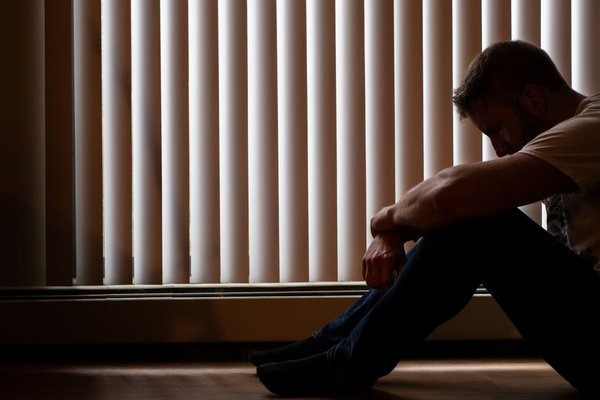
Depression in men is easy to miss when it does not look like the stereotype. A man may keep going to work, joke with friends, and insist that he is “fine” while becoming increasingly irritable, exhausted, detached, or dependent on alcohol. Sadness can be present, but it is not always the symptom that stands out first.
Men may be less likely to recognize emotional distress, talk about it openly, or seek mental health treatment. That can leave depression hidden until relationships, work, sleep, health, or safety begin to deteriorate. Recognizing the signs of depression in men means looking beyond tears and asking what has changed in mood, behavior, energy, habits, and everyday functioning.
Depression can look like anger, not just sadness
Irritability, frustration, and anger can be prominent male depression symptoms. Someone who was usually patient may begin snapping over small problems, getting into arguments, driving aggressively, or seeming constantly on edge. These changes do not automatically mean depression, but they deserve attention when they persist alongside other symptoms.
Anger can also be easier to express than vulnerability. Men mental health stigma can reinforce the idea that fear, hopelessness, or emotional pain should be hidden. For some men, distress then emerges indirectly as impatience, conflict, or emotional shutdown.
Withdrawal may be disguised as being busy
Depression often reduces interest and pleasure, but withdrawal does not always look like staying in bed. A man may work longer hours, spend excessive time gaming, exercising, scrolling, or doing solitary projects, or repeatedly avoid family and social plans. The activity may look productive while also becoming a way to avoid feelings or conversations.
A useful question is not simply, “Is he still functioning?” but, “Is he living differently from before?” A noticeable loss of enjoyment, connection, spontaneity, or warmth can reveal more than whether he still shows up for work.
Fatigue and physical complaints may come first
Depression can affect sleep, appetite, concentration, energy, and the body. Some men first seek help because they feel constantly tired, have headaches, digestive problems, unexplained aches, sexual difficulties, or trouble sleeping. These symptoms can also have medical causes, so a healthcare professional should assess both physical and mental health possibilities.
Persistent exhaustion is easy to dismiss as overwork or aging. When fatigue appears with irritability, reduced motivation, poor concentration, or loss of interest, depression becomes one possible explanation worth discussing.
Risk-taking and substance use can hide emotional distress
Some men cope with depression by drinking more, using drugs, gambling, driving recklessly, having impulsive sex, or taking unnecessary risks. These behaviors may briefly numb distress or create stimulation, but they can worsen mood and create additional problems.
This is one reason the phrase masked depression is sometimes used informally. It can describe depression hidden behind physical complaints, anger, overwork, substance use, or other behaviors. It is not a separate formal diagnosis, and these behaviors can have many causes, but the idea can help families notice that emotional pain does not always appear as sadness.
Other signs that should not be overlooked
Classic depression symptoms still matter in men. They can include persistent low mood, hopelessness, guilt, feeling worthless, losing interest in hobbies or sex, changes in appetite or weight, sleeping too much or too little, restlessness, and difficulty concentrating or making decisions.
The pattern matters more than any single sign. Depression is generally considered when symptoms persist, cause significant distress, or interfere with everyday life. A clinician may also consider medical conditions, medications, substance use, grief, anxiety, bipolar disorder, and other possible explanations.
A real-world example of hidden depression
Imagine a man who has stopped meeting friends after work. He says he is simply tired, but at home he stays up late watching videos, sleeps poorly, becomes angry when his partner asks what is wrong, and starts drinking most evenings. He has not said that he feels sad and may deny feeling depressed.
The useful response is not to argue about a label. A better opening might be: “You haven’t seemed like yourself lately. You’re sleeping badly, you’ve stopped seeing your friends, and you seem worn down. I’m concerned about you.” Focusing on specific changes can feel less confrontational and may make it easier to discuss getting help.
Why men may underreport symptoms
Some men have learned to treat emotional pain as weakness, a private problem, or something to solve alone. Fear of judgment, concerns about work or family, and expectations around self-control can discourage disclosure. This can make depression harder to recognize if a conversation focuses only on sadness.
Asking about sleep, anger, energy, drinking, physical symptoms, concentration, enjoyment, and withdrawal can reveal a fuller picture. Related guidance on depression symptoms and causes, coping with stress, and finding mental health support can also give someone a lower-pressure way to learn before speaking with a professional.
When to seek professional help
If symptoms have lasted around two weeks or longer, are getting worse, or are affecting work, relationships, sleep, health, or daily responsibilities, it is reasonable to contact a doctor or mental health professional. Help does not require waiting until life has fallen apart. Treatment may include psychotherapy, medication, lifestyle support, or a combination suited to the individual.
Thoughts of death, suicide, or self-harm require urgent attention. If someone is in immediate danger, contact local emergency services or a crisis service in the person’s country and stay with them if it is safe to do so. Do not leave a person alone with an immediate suicide risk.
Frequently asked questions
What are the most overlooked signs of depression in men?
Commonly overlooked signs include persistent irritability, anger, social withdrawal, overworking, increased alcohol or drug use, risky behavior, unexplained physical complaints, sleep problems, and loss of interest. These may occur with or without obvious sadness.
Can a man be depressed even if he still goes to work every day?
Yes. Some people maintain work and other responsibilities while struggling significantly. Functioning in one area does not rule out depression, especially if mood, relationships, sleep, motivation, or coping habits have changed.
Is masked depression an official diagnosis?
No. Masked depression is an informal term sometimes used when depressive distress is expressed through behaviors or physical symptoms rather than openly reported sadness. A qualified professional should evaluate the full pattern instead of relying on the label.
How should I talk to a man who may be depressed?
Start with specific observations rather than accusations or a diagnosis. Mention changes you have noticed, listen without forcing a conversation, and encourage professional support. If he mentions suicide or feeling that life is not worth living, treat it seriously and seek urgent help.
Recognizing the pattern can change what happens next
Depression in men does not always look quiet or visibly sad. It can look angry, exhausted, overworked, disconnected, reckless, or physically unwell. The most useful clue is often a sustained change from the person’s usual way of living and relating to others.
No single behavior proves that someone has depression. But noticing a pattern early can open the door to proper assessment and effective treatment. Sometimes the first step is replacing “What’s wrong with you?” with “I’ve noticed you’re not yourself lately. How are you really doing?”